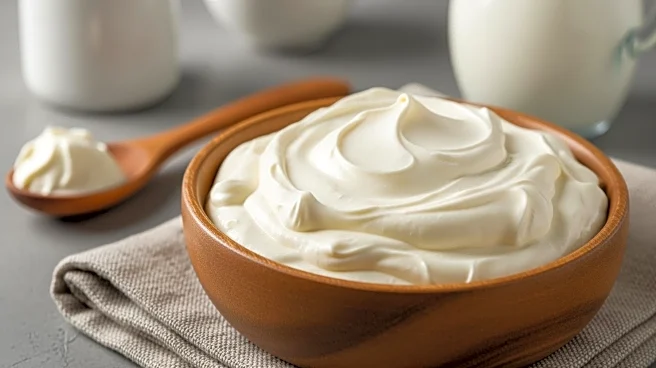



Kaymak, a creamy dairy product akin to clotted cream, is a cherished delicacy in many parts of the world, including Central Asia, the Balkans, and the Middle East. Its rich, creamy texture and high milk fat content make it a favorite addition to breakfast tables and desserts. The process of making kaymak is an art form that has been passed down through generations, with each region adding its unique touch to the preparation.
Traditional Preparation Methods
The traditional method
of making kaymak begins with boiling raw milk slowly and then simmering it over a very low heat for about two hours. This careful heating process allows the cream to rise to the top without scorching the milk. Once the milk has been sufficiently heated, the heat source is turned off, and the cream is skimmed from the surface.
After skimming, the cream is left to chill and mildly ferment for several hours or even days. This fermentation process is crucial as it enhances the flavor and texture of the kaymak, giving it a slightly tangy taste and a thick, creamy consistency. The resulting product is not entirely compact due to the presence of milk protein fibers, which contribute to its unique texture.
Regional Variations in Preparation
While the basic process of making kaymak remains consistent, regional variations add distinct flavors and textures to the final product. In Turkey, for example, kaymak is often made from the milk of water buffalo, which is known for its rich, fatty content. This version of kaymak is particularly popular in the Afyonkarahisar region, where it is traditionally served with baklava and other desserts.
In Afghanistan, a thinner version of kaymak known as qaimak is made from cow or buffalo milk. This version is typically enjoyed with bread and sweetened with honey or sugar. The preparation process in Afghanistan involves simmering the milk and skimming the cream, similar to other regions, but the resulting product is lighter and more spreadable.
The Cultural Significance of Kaymak
The art of making kaymak is deeply rooted in the cultural traditions of the regions where it is produced. In the Balkans, for instance, kajmak is a symbol of hospitality and is often served to guests as a sign of welcome. The process of making kajmak is a communal activity, with families and neighbors coming together to prepare and enjoy this creamy delicacy.
In the Middle East, kaymak is an integral part of breakfast spreads and is often enjoyed with bread and honey. Its presence on the breakfast table signifies abundance and is a testament to the region's rich culinary heritage. The traditional methods of making kaymak not only preserve the flavors of the past but also connect people to their cultural roots, making it a beloved food across generations.