





Mary Quant, a British fashion designer, played a pivotal role in the 1960s fashion revolution. Known for popularizing the mini dress, Quant's designs challenged traditional norms and influenced the cultural landscape of the era. This article delves into Quant's contributions to fashion and her lasting impact.
Early Life and Career
Mary Quant was born in 1930 in London, England. Her parents, both educators, encouraged her to pursue a career in illustration rather than fashion.
However, Quant's passion for design led her to apprentice with a milliner in Mayfair. In 1955, she opened her boutique, Bazaar, on King's Road, which became a hub for the fashion-forward youth of London.
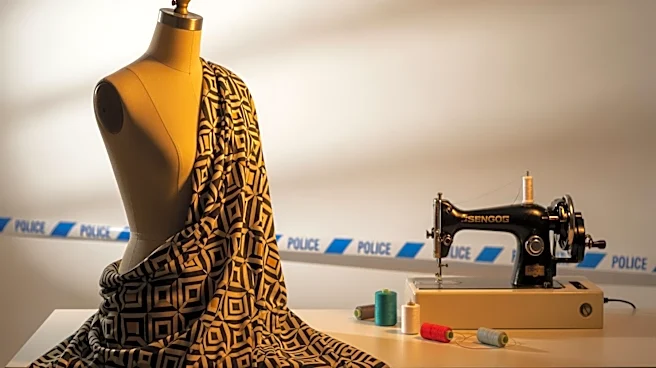
Quant's early designs were bold and colorful, reflecting the vibrant culture of the Swinging Sixties. Her boutique offered a unique shopping experience, with music, drinks, and long hours that appealed to young adults. Quant's designs quickly gained attention, and she began creating her own pieces, employing machinists to produce her innovative styles.
The Mini Dress Revolution
Quant is often credited with popularizing the mini dress, a garment that became synonymous with the 1960s fashion revolution. While the origins of the mini dress are debated, Quant's influence is undeniable. Her designs were inspired by the youthful energy of the era, and the mini dress allowed women to move freely, reflecting the spirit of liberation.
Quant's mini dress challenged societal norms and sparked debates about femininity and modesty. The dress's short length was seen as provocative, leading to both admiration and criticism. Despite the controversy, the mini dress became a symbol of female empowerment and self-expression. Quant's influence extended beyond fashion, as she created an environment that encouraged individuality and creativity.
Legacy and Influence
Mary Quant's impact on fashion is still felt today. Her designs paved the way for more daring and innovative styles, influencing generations of designers. The mini dress remains a staple in women's fashion, representing a shift towards individuality and self-expression.
Quant's legacy is not limited to the mini dress; she also introduced colorful tights and other bold accessories that complemented her designs. Her influence on the fashion industry is a testament to her creativity and vision. Mary Quant's contributions to fashion continue to inspire, proving that style can be a powerful force for change.