


Seeds are fundamental to plant reproduction, serving as the primary means by which plants propagate and spread across different environments. This article explores the role of seeds in reproduction and the diverse strategies plants use to disperse their seeds, ensuring survival and colonization.
Seeds as Reproductive Structures
In seed plants, reproduction begins with the formation of seeds, which contain an embryo and stored nutrients within a protective coat. This structure is the product of a fertilized
ovule, where the embryo develops from a zygote. Seeds are crucial for the continuation of plant species, providing a means to produce new individuals.
Unlike spore-producing plants, seed plants have adapted to various terrestrial environments, allowing them to dominate land ecosystems. The development of seeds marked a significant evolutionary advancement, enabling plants to reproduce without relying on water for fertilization.
Methods of Seed Dispersal
Seed dispersal is vital for plant survival, allowing seeds to reach favorable locations for germination and growth. Plants have evolved numerous strategies to disperse their seeds, each adapted to specific environmental conditions.
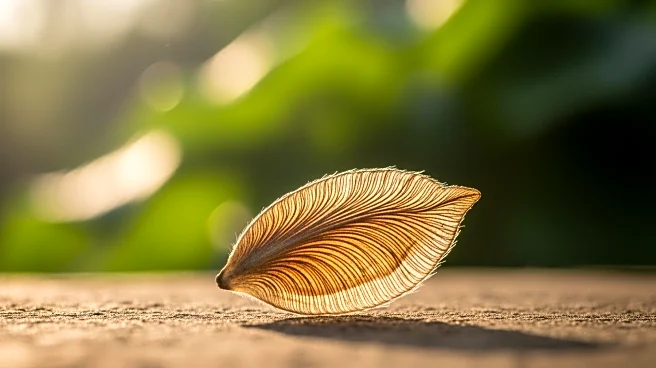
Wind dispersal, or anemochory, is common in plants like dandelions and maples, where seeds are equipped with structures that catch the wind. Water dispersal, or hydrochory, involves seeds that float and are carried by water currents, as seen in plants like Mucuna and Dioclea.
Animal-Assisted Dispersal
Animals play a significant role in seed dispersal, a process known as zoochory. Seeds with fleshy coverings, such as those of apples and cherries, are consumed by animals and later deposited in new locations through droppings. Some seeds, like acorns and hazelnuts, are stored by animals as food, with some escaping consumption and germinating.
Myrmecochory, the dispersal of seeds by ants, involves seeds with appendages called elaiosomes that attract ants. The ants carry these seeds to their nests, where the elaiosomes are consumed, and the seeds are discarded, often in favorable conditions for germination.
Seeds are remarkable structures that facilitate plant reproduction and dispersal. Through various strategies, plants ensure their seeds reach suitable environments, allowing them to thrive and maintain biodiversity across ecosystems.