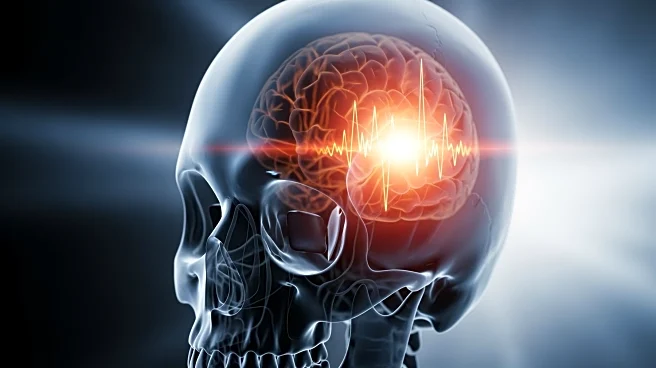

Concussions are a common form of mild traumatic brain injury (TBI) that can significantly impact a person's physical, cognitive, and emotional well-being. These injuries typically result from a blow to
the head, leading to a range of symptoms that can vary in severity. Understanding the nature of concussions, their symptoms, and how they are graded is crucial for effective management and recovery.
What is a Concussion?
A concussion is classified as a mild traumatic brain injury, often resulting from a direct blow to the head. This type of injury can disrupt normal brain function, leading to a variety of symptoms. The impact can cause the brain to move rapidly within the skull, leading to changes in physical, cognitive, and emotional behaviors. While concussions are considered mild compared to other forms of TBI, they can still have significant effects on an individual's daily life.
Symptoms of a concussion can include confusion, headaches, dizziness, clumsiness, fatigue, nausea, and blurry vision. These symptoms may appear immediately after the injury or develop over time. It's important to note that even mild concussions can lead to sequelae, which are conditions resulting from the injury that may persist or develop later.
Grading the Severity of Concussions
The severity of a concussion is often measured using various grading systems. These systems help medical professionals assess the extent of the injury and determine the appropriate course of treatment. The grading typically considers factors such as the duration of symptoms, the presence of amnesia, and the level of consciousness.
Anterograde and retrograde amnesia, which involve the inability to remember events before or after the injury, are common indicators of a more severe concussion. The duration of amnesia is often correlated with the severity of the injury. In all cases, individuals may develop post-concussion syndrome, which includes symptoms like memory problems, dizziness, tiredness, and depression.
The Importance of Immediate Attention
Immediate medical attention is crucial for anyone suspected of having a concussion. While some symptoms may resolve on their own, others can persist and lead to long-term complications if not properly managed. Medical professionals can provide a thorough assessment and recommend appropriate interventions to support recovery.
In conclusion, understanding concussions as a form of mild traumatic brain injury is essential for recognizing symptoms and seeking timely medical care. By using established grading systems, healthcare providers can better assess the severity of the injury and guide individuals through the recovery process. Awareness and education about concussions can help mitigate their impact and promote better outcomes for those affected.