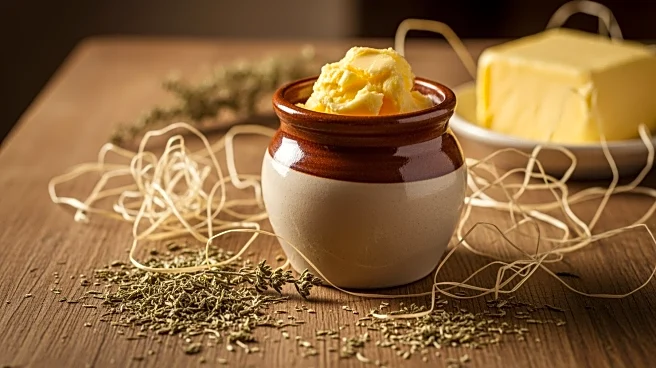




Smen, a cherished ingredient in North African cuisine, is renowned for its unique flavor and aroma. This fermented butter, made primarily from sheep or goat milk, is a testament to the traditional culinary practices of the region. The process of making smen is steeped in tradition, involving specific techniques and ingredients that have been passed down through generations.
Ingredients and Initial Preparation
The journey of making smen begins with the selection of high-quality butter,
typically derived from the milk of sheep, goats, or a combination of both. This choice of milk is crucial as it imparts the distinct taste and texture that smen is known for. The butter is then brought to its boiling point, a critical step that helps in removing impurities and preparing it for fermentation.
Once boiled, the butter is carefully skimmed to remove any remaining solids. It is then strained into a ceramic jar, a traditional vessel that aids in the aging process. Salt is added at this stage, not only for flavor but also to act as a preservative, ensuring the butter remains stable during its long maturation period.
Fermentation and Aging
The fermentation of smen is what sets it apart from other types of butter. To kickstart this process, thyme is often added as a yeast and enzyme starter. This herb not only contributes to the flavor but also plays a role in the fermentation process. In some variations, roasted fenugreek seeds are included, adding a nutty, aromatic quality to the final product.
The mixture is then sealed and traditionally buried in the ground. This method of aging is akin to how cheese is matured in caves, providing a stable and cool environment that is ideal for fermentation. The aging period can vary, with some smen being left to mature for several months or even years, developing a strong, cheese-like aroma and flavor.
Regional Variations and Uses
While the basic process of making smen is consistent across North Africa, regional variations do exist. In Yemen, for example, a version known as semneh is smoked with aromatic herbs inside a gourd, enhancing its flavor and preservation qualities. This variation is used in traditional Yemeni dishes, showcasing the adaptability of smen to different culinary contexts.
Smen is a versatile ingredient, used in a variety of dishes from savory stews and couscous to sweet pastries. Its rich, complex flavor enhances the taste of any dish it is added to, making it a staple in North African kitchens.
In conclusion, the traditional craft of making smen is a reflection of the rich culinary heritage of North Africa. The careful selection of ingredients, meticulous preparation, and unique aging process all contribute to the distinctive qualities of this beloved ingredient.