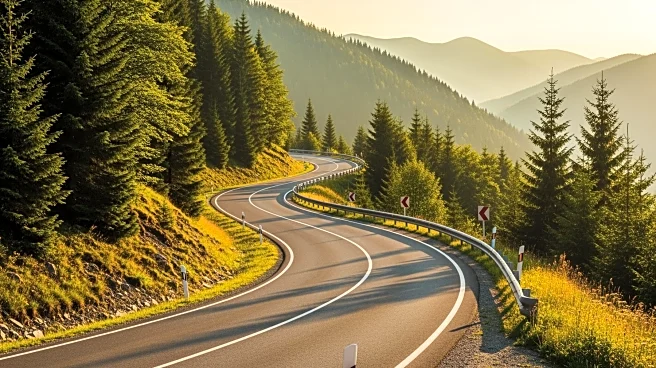



Scenic routes are more than just roads; they are pathways that offer travelers a chance to experience the beauty of nature and culture. These specially designated roads or waterways are recognized for their exceptional scenic, historical, or cultural significance. In the United States, scenic routes are often marked by governmental bodies to highlight areas of natural or cultural beauty, providing a unique travel experience.
What Makes a Route Scenic?
A scenic route is typically
a road or waterway that travels through an area of natural or cultural beauty. These routes often pass by scenic viewpoints, offering travelers breathtaking views and a chance to connect with the environment. The designation of a scenic route is usually determined by a governmental body, such as a Department of Transportation or a Ministry of Transport. This official recognition helps preserve the route's beauty and ensures that it remains a point of interest for tourists and locals alike.
In the United States, scenic routes can be part of the U.S. highway system, marked with "Scenic" banners. These routes are often longer than their parent routes, allowing travelers to take a more leisurely journey through picturesque landscapes. The only official scenic route in the U.S. is U.S. Route 40 Scenic in Maryland, highlighting the rarity and special nature of these designations.
Types of Scenic Routes
Scenic routes can vary widely in their characteristics and purposes. Some, like the Blue Ridge Parkway, are built specifically for tourism, offering a dedicated path through stunning natural landscapes. Others, such as the Lincoln Highway in Illinois, are former main roads that have been designated as scenic after most traffic has bypassed them. This transformation allows these roads to serve as peaceful, scenic alternatives to busier highways.
In addition to roads, some scenic routes are multi-modal, meaning they can be followed by various types of transportation, including road, waterway, rail, bicycle, or on foot. This flexibility allows travelers to experience the route in different ways, catering to diverse preferences and enhancing the overall travel experience.
The Impact of Scenic Routes
Scenic routes play a significant role in promoting tourism and economic development. By highlighting areas of natural and cultural beauty, these routes attract visitors who contribute to the local economy. They also help preserve the environment by encouraging responsible tourism and providing a framework for managing and maintaining these areas.
Moreover, scenic routes offer a unique opportunity for travelers to disconnect from the hustle and bustle of everyday life and immerse themselves in the tranquility of nature. Whether it's a leisurely drive through a national parkway or a scenic walk along a historic trail, these routes provide a chance to appreciate the world around us and create lasting memories.