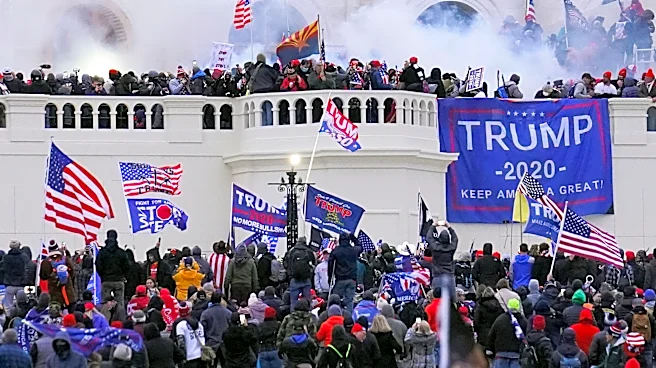







Stewart Rhodes, the founder of the Oath Keepers, was convicted of seditious conspiracy for his role in the January 6 Capitol attack. This conviction marked a significant moment in the legal landscape of the United States, as it was one of the first instances where seditious conspiracy charges were successfully brought against individuals involved in the attack. The case against Rhodes and his co-defendants highlighted the complexities and challenges
of prosecuting such charges in modern times.
The Charges and Trial
Stewart Rhodes was charged with seditious conspiracy, a serious offense that involves conspiring to overthrow or destroy by force the government of the United States. The charges stemmed from his actions and communications leading up to and during the January 6 Capitol attack. Rhodes, along with other members of the Oath Keepers, was accused of planning and executing a coordinated effort to disrupt the certification of the 2020 presidential election results.
The trial of Stewart Rhodes was closely watched, as it was one of the first major cases to address the events of January 6 through the lens of seditious conspiracy. The prosecution presented evidence of encrypted messages and communications between Rhodes and other Oath Keepers, which they argued demonstrated a clear intent to use force to prevent the lawful transfer of power. The defense, on the other hand, argued that Rhodes' actions were protected by the First Amendment and that there was no concrete plan to overthrow the government.
The Verdict and Sentencing
On November 29, 2022, Stewart Rhodes was found guilty of seditious conspiracy. The conviction was a significant victory for the prosecution and set a precedent for future cases related to the January 6 attack. Rhodes was sentenced to 18 years in prison, a sentence that reflected the gravity of the charges and the impact of his actions on the democratic process.
The sentencing of Rhodes was seen as a warning to other extremist groups and individuals who might consider similar actions in the future. It underscored the seriousness with which the U.S. legal system views attempts to undermine the government through force and violence.
Implications for Future Prosecutions
The conviction of Stewart Rhodes has significant implications for future prosecutions of seditious conspiracy. It demonstrated that the U.S. legal system is capable of addressing complex cases involving domestic extremism and highlighted the importance of holding individuals accountable for their actions. The case also served as a reminder of the ongoing threat posed by extremist groups and the need for continued vigilance in protecting democratic institutions.
As the legal proceedings related to the January 6 attack continue, the conviction of Stewart Rhodes will likely serve as a benchmark for future cases. It has set a legal precedent that could influence how similar charges are prosecuted and adjudicated in the years to come.