


Garlic, scientifically known as Allium sativum, is a fascinating plant both botanically and chemically. This perennial flowering plant, native to Central Asia, is part of the Allium genus, which includes onions, shallots, and leeks. Its unique structure and chemical composition have made it a subject of interest for both culinary and scientific communities.
Botanical Characteristics of Garlic
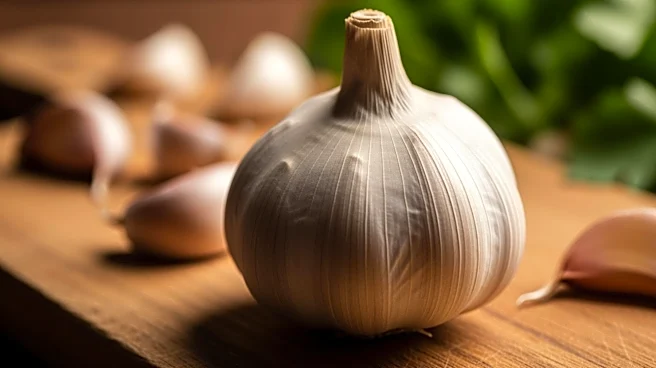
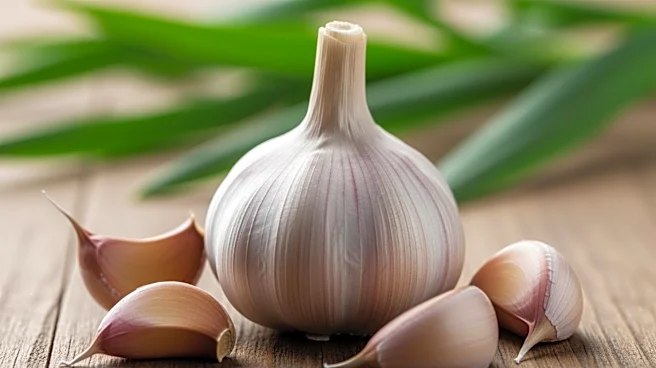
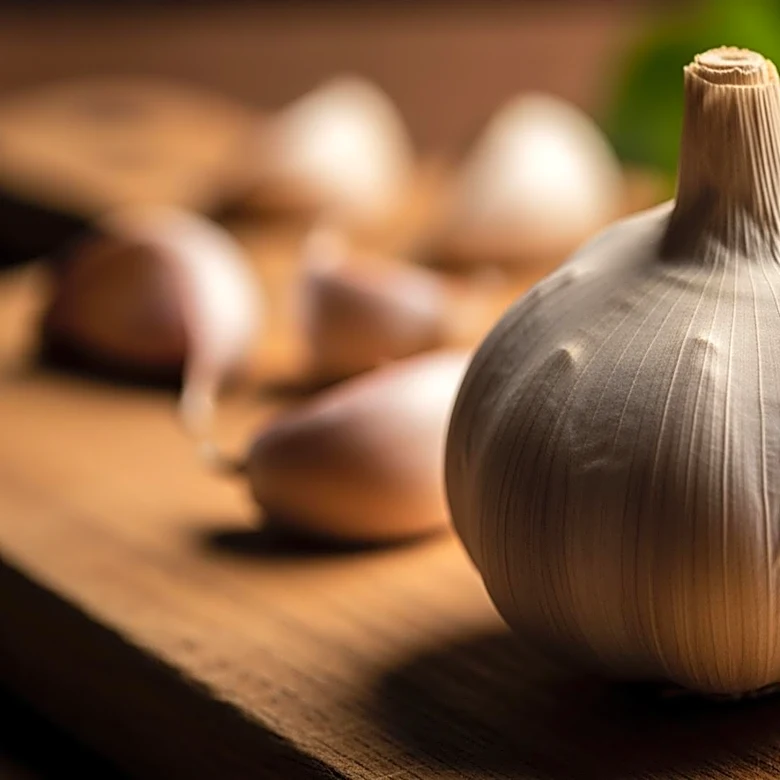
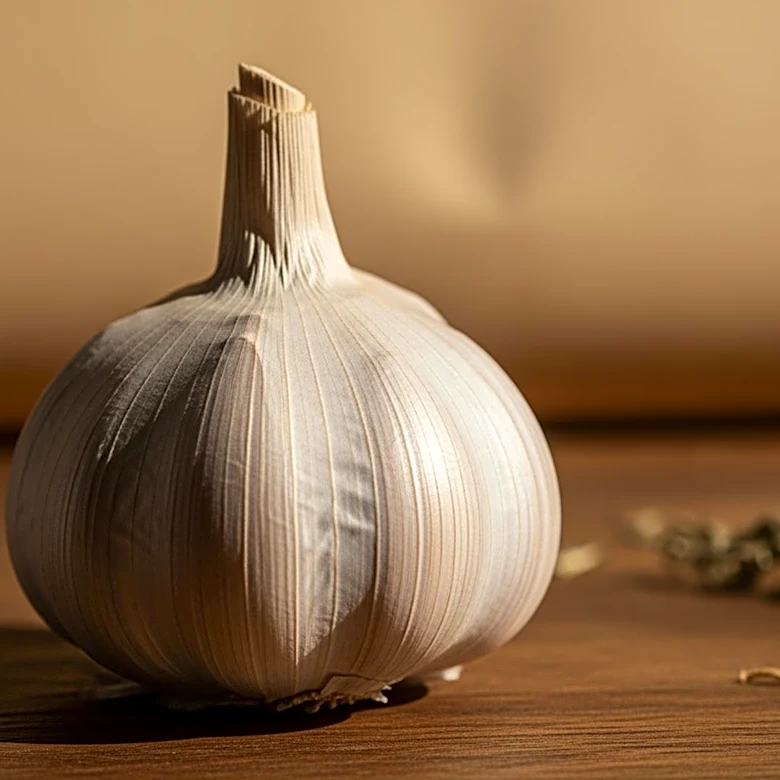
Garlic grows from a bulb, which is composed of numerous cloves encased in a papery skin. The
plant produces a tall, erect flowering stem that can reach up to three feet in height. Its leaves are flat, linear, and solid, with a sharp apex. During the flowering season, garlic may produce pink to purple flowers, adding a touch of color to its otherwise green appearance.
The bulb of the garlic plant is the most commonly used part, known for its strong odor and flavor. Each bulb typically contains 10 to 20 cloves, which can vary in size and shape. The cloves are protected by layers of sheathing leaves, which help preserve their freshness and potency.
Chemical Composition of Garlic
Garlic's distinctive flavor and aroma are due to its rich chemical composition, particularly its sulfur-containing compounds. When garlic is chopped or crushed, enzymes trigger the breakdown of these compounds, resulting in the formation of allicin, ajoene, and other sulfur compounds. Allicin is primarily responsible for the pungent odor and spicy taste of raw garlic.
These sulfur compounds are not only responsible for garlic's flavor but also its potential health benefits. They have been studied for their antimicrobial and antioxidant properties, although clinical evidence of their health effects remains inconclusive. The chemical reactions that occur when garlic is cooked or processed can alter its flavor, often mellowing its spiciness and enhancing its sweetness.
The Role of Garlic in Nature
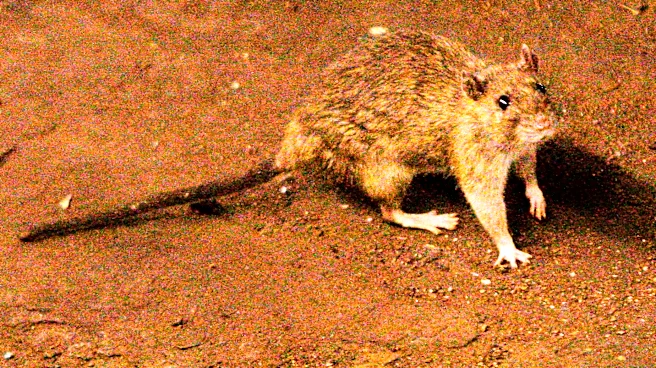
In nature, garlic's sulfur compounds serve as a defense mechanism, deterring animals and insects from consuming the plant. This evolutionary trait has allowed garlic to thrive in various environments, from the wilds of Central Asia to cultivated fields around the world.
Garlic's ability to adapt to different climates and soil conditions has contributed to its widespread cultivation. It is grown in a variety of regions, from the temperate zones of Europe to the warmer climates of Asia and the Americas. This adaptability, combined with its unique chemical properties, makes garlic a plant of both culinary and scientific interest.