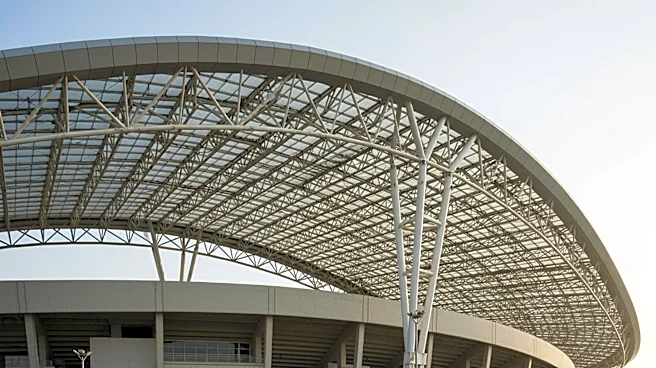


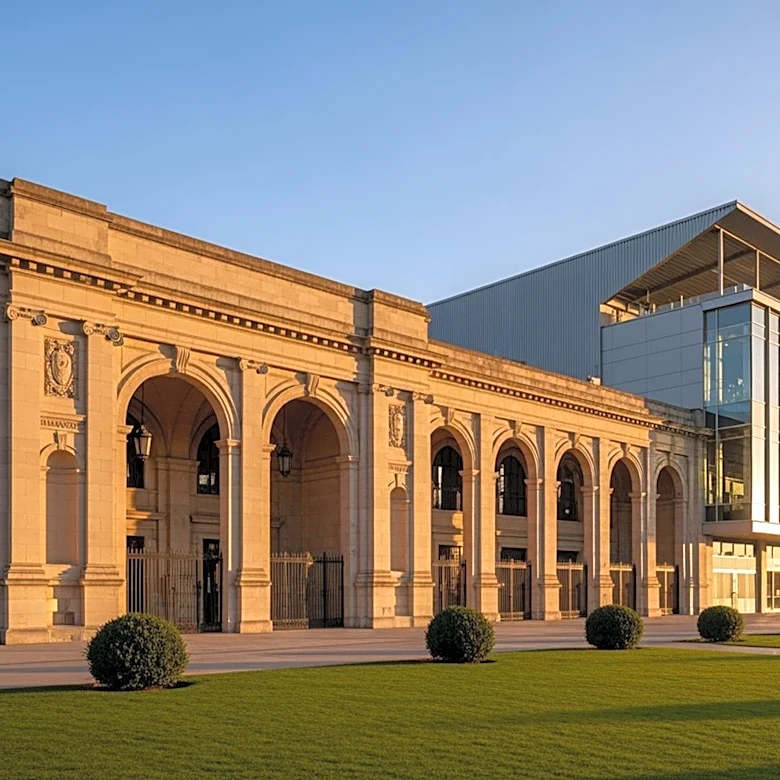
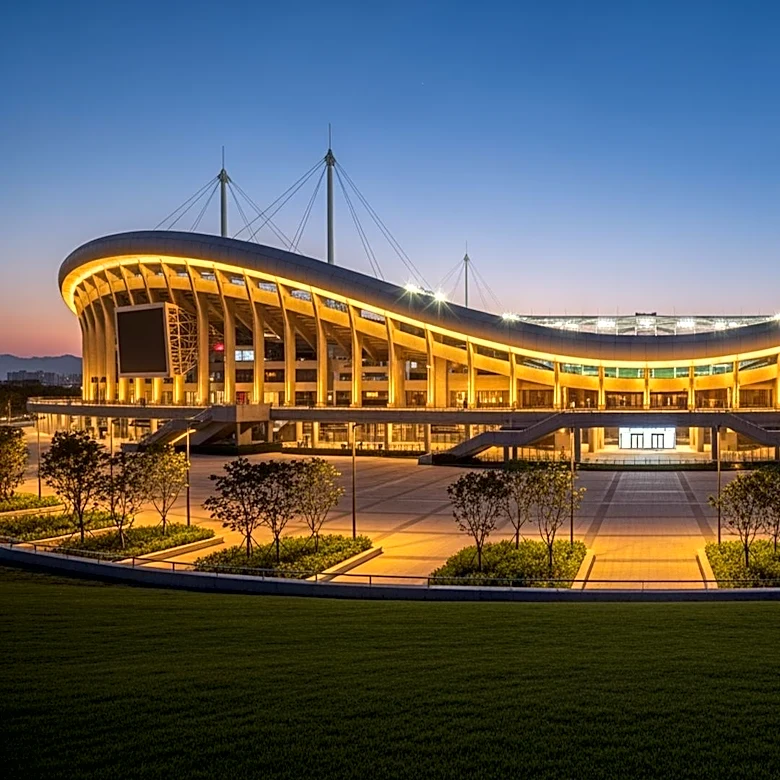



Stade Chaban-Delmas, located in Bordeaux, France, is not only a venue for sports events but also an architectural marvel. Designed in an Art Deco style, the stadium boasts unique features that set it apart from other sports venues. This article explores the architectural design and distinctive elements of Stade Chaban-Delmas, highlighting its historical and aesthetic significance.
Art Deco Design and Covered Stands
The architectural design of Stade Chaban-Delmas is rooted in the Art
Deco style, a popular design movement in the early 20th century. Rebuilt by architects Jacques d'Welles and Raoul Jourde in 1938, the stadium was the first in the world to have stands entirely covered without any pillars obstructing visibility. This innovative design allowed spectators to enjoy an unobstructed view of the playing area, enhancing the overall experience.
The Art Deco style is characterized by its emphasis on geometric shapes, symmetry, and bold lines. Stade Chaban-Delmas embodies these elements, making it a visually striking venue. The design not only serves an aesthetic purpose but also reflects the architectural advancements of the time, showcasing the stadium's historical significance.
Unique Features: The Long Tunnel
One of the most distinctive features of Stade Chaban-Delmas is its long tunnel connecting the locker rooms to the ground. Measuring close to 120 meters, it is the longest tunnel in Europe. This feature adds to the stadium's uniqueness, providing a memorable experience for players as they make their way to the field.
The tunnel's length is not just a physical characteristic but also a symbolic one, representing the journey from preparation to performance. It serves as a passageway for athletes, marking the transition from the locker room to the competitive arena. This feature contributes to the stadium's reputation as a venue with character and history.
Challenges and Restoration
Despite its architectural significance, Stade Chaban-Delmas has faced challenges in restoration due to its classification as a historic building. The roof does not cover seats built after 1984 on the old cycle track, presenting difficulties in maintaining the stadium's original design. These challenges highlight the complexities of preserving historic structures while accommodating modern needs.
The restoration efforts reflect the importance of maintaining the stadium's architectural integrity while ensuring its functionality for contemporary events. The balance between preservation and modernization is a testament to the stadium's enduring legacy as an architectural marvel.