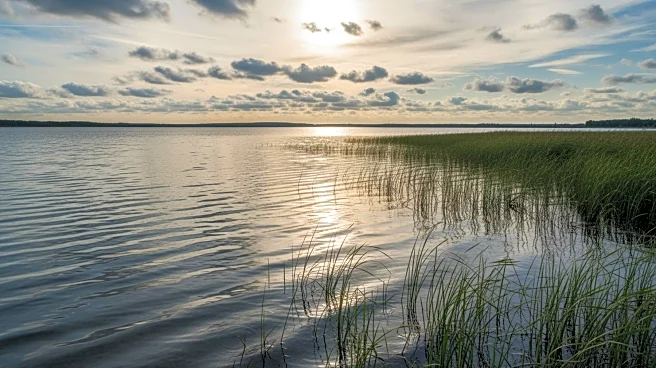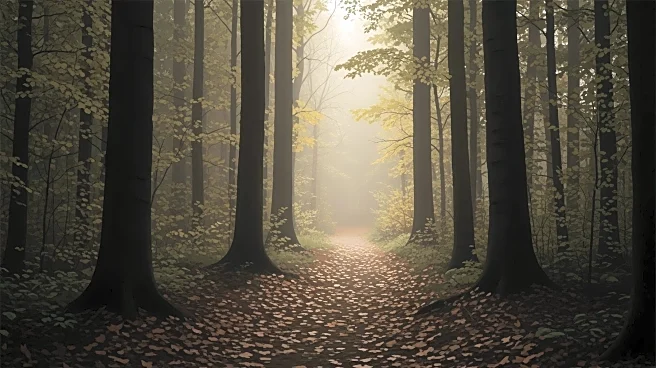




Robert Frost's poetry is renowned for its exploration of complex themes through the lens of rural New England life. His work delves into the intricacies of human nature, the passage of time, and existential questions, all while maintaining a connection to the natural world. This article examines the recurring themes in Frost's poetry and how they contribute to his enduring appeal.
Rural Life and Nature
One of the most prominent themes in Frost's poetry is his depiction
of rural life and nature. Frost's New England settings serve as a backdrop for exploring broader philosophical questions. Poems like "Stopping by Woods on a Snowy Evening" and "Mending Wall" illustrate his ability to capture the beauty and solitude of the natural world while reflecting on human relationships and boundaries.
Frost's use of nature is not merely descriptive; it serves as a metaphor for the human experience. In "Birches," for example, the act of swinging on birch trees becomes a symbol for escaping the burdens of life and returning to a simpler, more innocent state. Through these natural settings, Frost invites readers to contemplate their own lives and the world around them.
Human Nature and Relationships
Frost's poetry often delves into the complexities of human nature and relationships. His characters are typically ordinary people facing everyday challenges, yet their experiences reveal deeper truths about the human condition. In "Home Burial," Frost explores themes of grief and communication breakdown within a marriage, highlighting the emotional distance that can arise even in close relationships.
The theme of isolation is also prevalent in Frost's work. Poems like "Acquainted with the Night" and "Desert Places" convey a sense of loneliness and introspection, reflecting Frost's own struggles with depression and loss. Through these themes, Frost captures the universal experience of feeling disconnected from others and the world.
Existential Questions and Reflections
Frost's poetry frequently grapples with existential questions and reflections on life and death. In "The Road Not Taken," the speaker's choice between two paths serves as a metaphor for life's decisions and their consequences. This poem, like many of Frost's works, encourages readers to reflect on the choices they make and the paths they take.
Frost's exploration of existential themes is often tinged with a sense of ambiguity and uncertainty. In "After Apple-Picking," the speaker's reflections on a day's work and the approach of sleep evoke questions about the nature of life and the inevitability of death. Frost's ability to weave these themes into his poetry with subtlety and depth is a testament to his skill as a poet.
In summary, Robert Frost's poetry is rich with themes that resonate with readers across generations. His exploration of rural life, human nature, and existential questions offers insights into the human experience, making his work timeless and universally relevant.