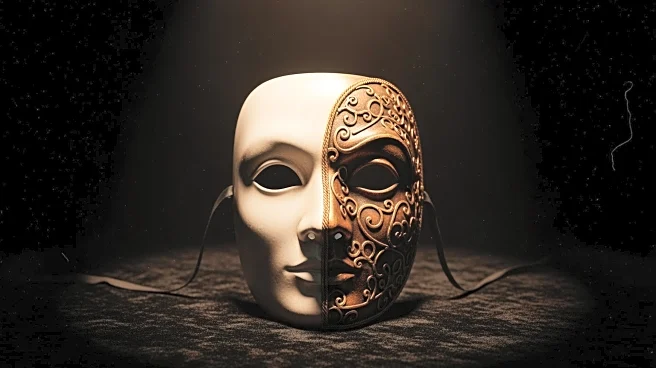




Lon Chaney, born Leonidas Frank Chaney, was an iconic figure in the world of silent films, renowned for his transformative makeup artistry and compelling portrayals of complex characters. Known as "The Man of a Thousand Faces," Chaney's ability to embody a wide range of roles, particularly in horror films, left an indelible mark on the film industry. His legacy continues to influence actors and makeup artists today, as his innovative techniques and dedication
to his craft set a high standard for future generations.
Early Life and Career Beginnings
Lon Chaney was born on April 1, 1883, in Colorado Springs, Colorado, to parents who were both deaf. This unique upbringing allowed Chaney to become proficient in American Sign Language, a skill that would later enhance his expressive abilities on screen. His father, Frank H. Chaney, was a barber, and his mother, Emma Alice Kennedy, was of Scottish, English, and Irish descent. Chaney's maternal grandfather founded the Colorado School for the Education of Mutes, where his parents met.
Chaney's career in entertainment began in 1902 when he entered the stage, traveling with vaudeville and theater acts. In 1905, he married singer Cleva Creighton, and the couple had a son, Creighton Tull Chaney, who would later become known as Lon Chaney Jr. Despite early success, Chaney faced personal challenges, including a scandal involving his wife's attempted suicide, which led to their divorce and his transition from theater to film.
Rise to Fame in Silent Films
Chaney's film career took off when he joined Universal Studios, where he worked under contract from 1912 to 1917. His skill with makeup and character roles earned him significant parts, particularly in films directed by Joe De Grasse and Ida May Park. Chaney's breakthrough came with his performance in "The Miracle Man" (1919), where his acting and makeup skills were showcased, earning him critical acclaim and solidifying his status as a leading character actor.
Throughout the 1920s, Chaney continued to captivate audiences with his roles in films like "The Hunchback of Notre Dame" (1923) and "The Phantom of the Opera" (1925). His ability to transform into grotesque and afflicted characters using self-developed makeup techniques was unparalleled. Chaney's portrayals often elicited sympathy and pathos, as he brought depth and humanity to even the most monstrous figures.
Legacy and Influence
Lon Chaney's impact on the film industry extends beyond his performances. His innovative makeup techniques paved the way for future advancements in the field, and his dedication to his craft inspired countless actors and filmmakers. Chaney's influence is evident in the work of horror icons like Boris Karloff and Bela Lugosi, who followed in his footsteps.
Chaney's legacy is also preserved through his son, Lon Chaney Jr., who became a notable actor in his own right, particularly known for his role in "The Wolf Man" (1941). In 1997, both Chaneys were honored with commemorative U.S. postage stamps, celebrating their contributions to the horror genre.
Despite his fame, Chaney led a private life, avoiding the Hollywood social scene and focusing on his work. His commitment to his art and his ability to connect with audiences through his characters have ensured that his legacy endures, making him a timeless figure in the history of cinema.