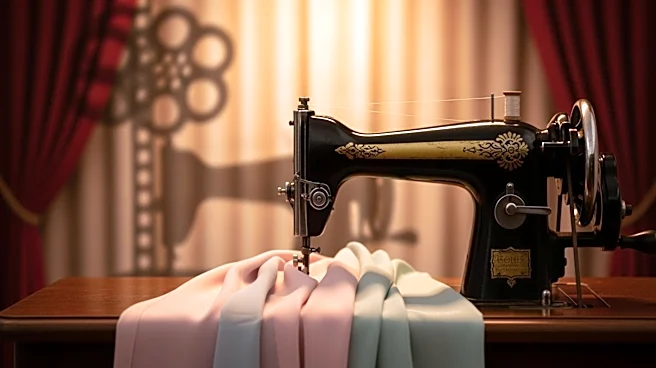






'**The Pajama Game**' is a musical that has charmed audiences since its Broadway debut in 1954. Based on Richard Bissell's novel '7½ Cents,' the musical was brought to life by the creative team of George Abbott and Richard Bissell, with music and lyrics by Richard Adler and Jerry Ross. The story, set in a pajama factory, combines themes of labor disputes and romance, making it a unique blend of social commentary and entertainment. The musical's success
on stage led to a film adaptation in 1957, further cementing its place in American cultural history.
Broadway Beginnings
The original Broadway production of 'The Pajama Game' opened on May 13, 1954, at the St. James Theatre. It was a significant hit, running for 1,063 performances. The production was notable for its choreography by Bob Fosse, marking his debut in this role. The musical's storyline, centered around labor troubles and romance in a pajama factory, resonated with audiences, offering both humor and a reflection on workplace dynamics. The original cast included John Raitt as Sid Sorokin and Janis Paige as Babe Williams, whose performances were pivotal to the show's success.
The musical's popularity was not confined to the United States. It opened in London's West End at the London Coliseum on October 13, 1955, where it enjoyed a successful run of 588 performances. The show's appeal lay in its catchy tunes, engaging storyline, and the universal themes of love and labor rights, which transcended cultural boundaries.
Transition to Film
In 1957, 'The Pajama Game' was adapted into a film directed by George Abbott and Stanley Donen. The film retained much of the original Broadway cast, with the notable addition of Doris Day, who replaced Janis Paige as Babe Williams. This casting choice brought a new dimension to the character and helped attract a broader audience to the film.
The film adaptation stayed true to the musical's roots, with Bob Fosse's choreography once again taking center stage. The storyline, music, and dance numbers were faithfully translated to the screen, allowing the film to capture the same energy and charm that had made the stage production a success. The film was well-received, praised for its lively performances and adherence to the spirit of the original musical.
Lasting Impact
'**The Pajama Game**' has continued to be a favorite choice for revivals and community theater productions, thanks to its timeless themes and engaging music. The 2006 Broadway revival, produced by the Roundabout Theatre Company, won a Tony Award for Best Revival of a Musical, demonstrating the show's enduring appeal.
The journey of 'The Pajama Game' from a novel to a Broadway hit and then to a successful film adaptation highlights its versatility and the universal nature of its themes. Its ability to entertain while addressing important social issues has ensured its place in the annals of musical theater history.