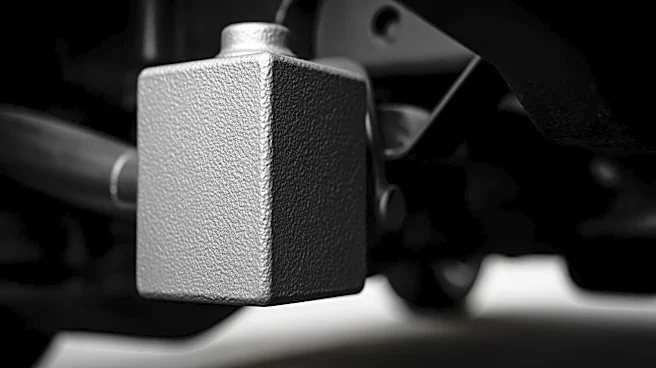








Ballast is a dense material used to provide stability to vehicles and structures, playing a vital role in ensuring safe and efficient operation. From ships to race cars, ballast is employed to adjust weight distribution and enhance stability. This article explores the diverse applications of ballast and its importance in maintaining balance and control.
Ballast in Maritime Vessels
In maritime vessels, ballast is essential for maintaining stability and buoyancy. Ships and submarines
use ballast tanks to control their weight distribution, allowing them to navigate safely through various water conditions. By adjusting the amount of water in these tanks, vessels can lower their center of gravity, increasing stability and reducing the risk of capsizing.
The concept of ballast tanks is inspired by natural mechanisms observed in aquatic life, such as the blowfish. This principle has been adapted by humans to enhance the safety and performance of maritime vessels. The ability to redistribute ballast within a vessel or dispose of it altogether provides flexibility in managing the ship's movement and stability.
Ballast in Car Racing
In car racing, ballast is used to meet minimum weight requirements and alter vehicle performance. Metallic plates are added to racing cars to bring them up to the mandated weight, ensuring compliance with regulations. The strategic placement of ballast allows teams to adjust the car's handling by changing its load distribution, providing a competitive edge.
Ballast can also be used as a handicap system in certain racing series, such as the British Touring Car Championship. Leading drivers are given additional ballast for the next race, adding an element of strategy and leveling the playing field. This application of ballast highlights its versatility and importance in racing.
Ballast in Aviation and Other Applications
Ballast is also used in aviation, where it serves as a buoyancy compensator in balloons and gliders. By adjusting ballast, pilots can optimize the aircraft's speed and center of gravity, enhancing performance and control. This principle is similar to its application in car racing, where ballast is used to modify handling characteristics.
In underwater diving, ballast compensates for excess buoyancy, allowing divers to maintain control and stability. The use of heavy materials, such as lead, ensures that divers can navigate safely and efficiently. Across various fields, ballast remains a crucial component in maintaining stability and enhancing performance.