


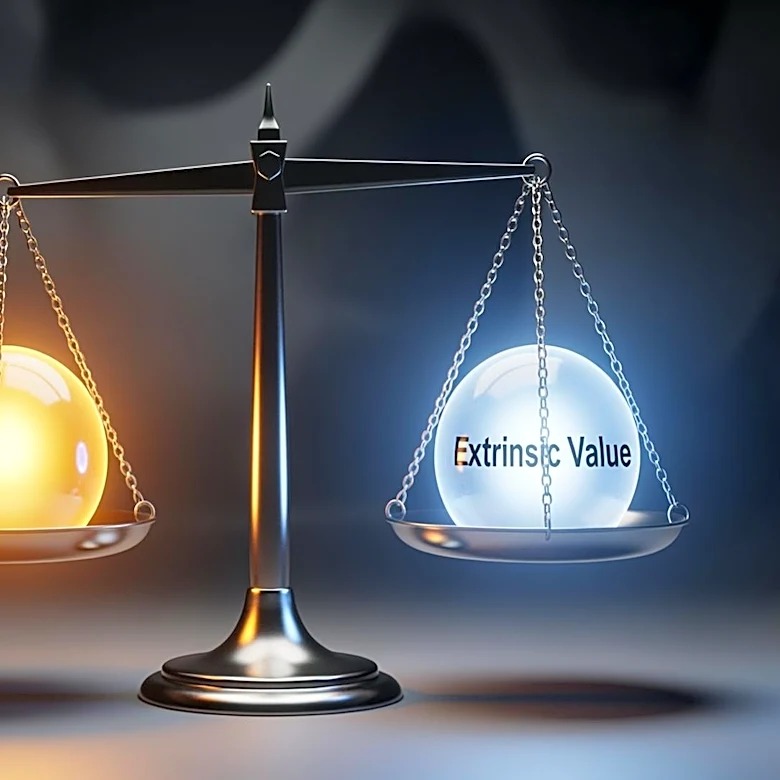




Intrinsic value is a fundamental concept in ethical philosophy, representing the inherent worth of an object or action. Unlike instrumental value, which is derived from the relationship to other valuable things, intrinsic value is valuable on its own. This article delves into the nature of intrinsic value, its role in various ethical theories, and its implications for moral decision-making.
The Nature of Intrinsic Value
Intrinsic value is a property that an object possesses "in
itself" or "for its own sake." It is considered an end in itself, as opposed to a means to an end. In Kantian terminology, an object with intrinsic value is regarded as an end-in-itself. This concept is central to axiology, the branch of philosophy that studies value, including both ethics and aesthetics.
All major normative ethical theories identify something as intrinsically valuable. For virtue ethicists, eudaimonia, or human flourishing, is seen as having intrinsic value. Consequentialists may view pleasure, the absence of pain, and the fulfillment of preferences as intrinsically valuable. Deontological ethics, on the other hand, argues that morally right actions are intrinsically valuable, regardless of their consequences.
Intrinsic Value in Ethical Theories
Different ethical theories prioritize intrinsic value in various ways. Virtue ethics focuses on the intrinsic value of eudaimonia, emphasizing the importance of living a virtuous life. Consequentialism, such as utilitarianism, identifies pleasure and the lack of pain as intrinsic values, guiding actions that maximize these outcomes.
Deontological ethics, influenced by Kantian philosophy, holds that actions respecting moral duty are intrinsically valuable. This perspective emphasizes the importance of adhering to moral principles, regardless of the outcomes. Each theory offers a unique lens through which intrinsic value is understood and applied in ethical decision-making.
Debates and Implications
The concept of intrinsic value is not without debate. Some philosophers question whether absolute intrinsic value exists, suggesting that value may be relative to individual or cultural perspectives. Pragmatism, for instance, views intrinsic value as an illusory product of ethical valuing activity, emphasizing instrumental value instead.
Despite these debates, intrinsic value remains a crucial element in ethical discussions. It challenges individuals to consider the inherent worth of actions and objects, guiding moral choices that align with deeply held values. Understanding intrinsic value helps navigate complex ethical dilemmas, offering a framework for evaluating what is truly important in life.