


Kitchen utensils are crafted from a variety of materials, each offering unique properties that affect their functionality and maintenance. From traditional metals to modern plastics, the choice of material can significantly influence the performance and longevity of a utensil. This article explores the different materials used in kitchen utensils, highlighting their advantages and disadvantages.
Metals in Kitchen Utensils
Metals have been a staple in the production of kitchen
utensils for centuries, valued for their durability and heat conductivity. Copper is one of the oldest materials used, known for its excellent thermal conductivity, which allows for even cooking. However, copper requires regular maintenance to prevent tarnishing and is often lined with tin to avoid reactions with acidic foods.
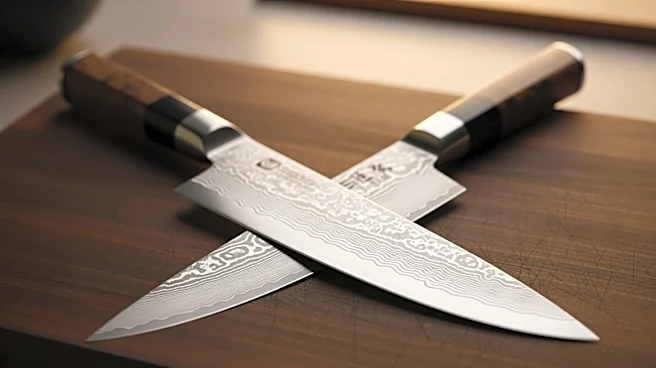
Stainless steel is another popular choice, prized for its resistance to rust and corrosion. It is commonly used in cutlery and cookware due to its strength and non-reactive nature. While stainless steel does not conduct heat as well as copper, it is often combined with other metals, such as aluminum, to improve its thermal properties.
Non-Metallic Materials
In addition to metals, non-metallic materials play a significant role in the production of kitchen utensils. Glass and ceramics are commonly used for baking dishes and measuring cups, offering a non-reactive surface that is easy to clean. However, these materials can be fragile and are prone to breaking if dropped.
Plastics have become increasingly popular in recent years, offering lightweight and versatile options for kitchen utensils. They are often used for handles and non-stick coatings, providing comfort and ease of use. Some plastics, such as silicone, can withstand high temperatures and are used in baking mats and spatulas.
Modern Innovations and Sustainability
The 20th century saw the introduction of non-stick coatings, such as Teflon, which revolutionized cookware by preventing food from sticking. These coatings are typically applied to aluminum or stainless steel pans, offering a convenient cooking experience. However, they require careful handling to avoid scratching and degradation.
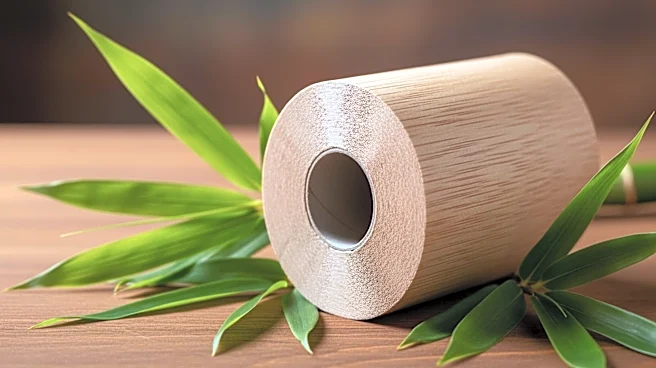
In recent years, there has been a growing focus on sustainability in the production of kitchen utensils. Manufacturers are exploring eco-friendly materials, such as bamboo and biodegradable plastics, to reduce environmental impact. These materials offer a renewable alternative to traditional options, aligning with the increasing demand for sustainable products.
Overall, the choice of material in kitchen utensils is crucial in determining their performance and longevity. By understanding the properties of different materials, consumers can make informed decisions that suit their cooking needs and preferences.