




Legumes are more than just a staple in human diets; they play a crucial role in agriculture. These plants, belonging to the family Fabaceae, are known for their unique ability to fix atmospheric nitrogen, which enriches the soil and supports sustainable farming practices. This article delves into the agricultural significance of legumes, focusing on their role in nitrogen fixation and crop rotation.
Nitrogen Fixation
One of the most remarkable features of legumes is
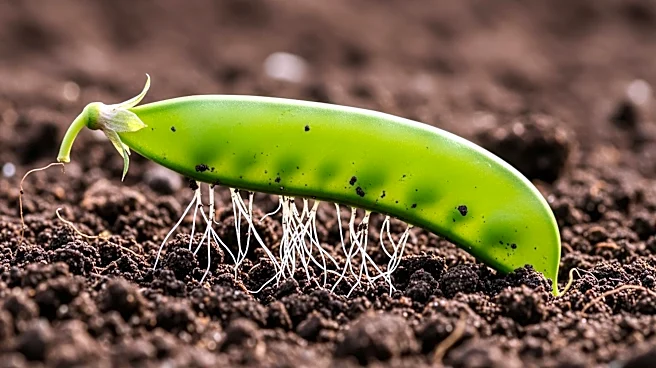
their ability to fix atmospheric nitrogen. This process is facilitated by symbiotic bacteria called Rhizobia, which reside in the root nodules of legume plants. These bacteria convert atmospheric nitrogen into ammonia, a form that plants can readily use. This natural process reduces the need for synthetic nitrogen fertilizers, making legumes an environmentally friendly option for farmers.
The nitrogen fixation process not only benefits the legumes themselves but also enriches the soil for subsequent crops. When legume plants die, the nitrogen stored in their tissues is released back into the soil, enhancing its fertility. This makes legumes an integral part of sustainable agricultural practices, as they help maintain soil health and reduce the dependency on chemical fertilizers.
Crop Rotation
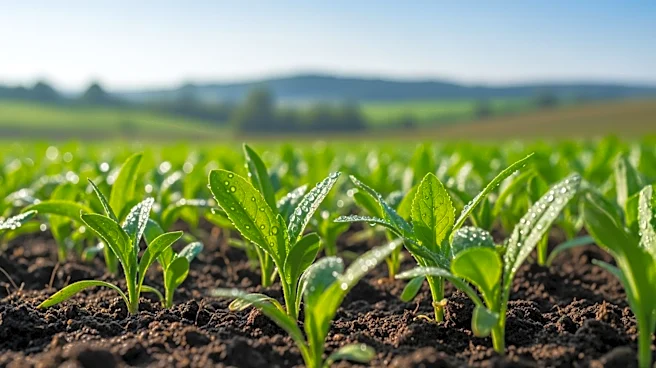
Legumes are often used in crop rotation systems, a practice that involves alternating different types of crops in the same field across seasons. This method is beneficial for several reasons, primarily due to the nitrogen-fixing ability of legumes. By rotating legumes with non-leguminous crops, farmers can naturally replenish soil nitrogen levels, leading to healthier and more productive fields.
Crop rotation with legumes also helps in breaking pest and disease cycles. Many pests and diseases are specific to certain crops, and rotating different types of plants can disrupt their life cycles, reducing their impact. Additionally, legumes can improve soil structure and organic matter content, further enhancing the overall health of the agricultural ecosystem.
Green Manure and Forage
Apart from their role in nitrogen fixation and crop rotation, legumes are also used as green manure and forage. Green manure involves growing legume crops and then plowing them back into the soil to improve its fertility and organic content. This practice is particularly beneficial in organic farming systems, where synthetic fertilizers are not used.
Legumes also serve as an important source of forage for livestock. Species like alfalfa and clover are commonly grown in pastures and provide high-protein feed for animals. The dual role of legumes in providing both soil enrichment and animal nutrition makes them a valuable component of integrated farming systems.
In conclusion, legumes are indispensable in agriculture due to their ability to fix nitrogen, support crop rotation, and provide green manure and forage. Their contribution to sustainable farming practices highlights their importance beyond just being a food source.