




The football rivalry between England and the Republic of Ireland is not just about the game on the pitch; it is deeply intertwined with cultural and political narratives. This rivalry reflects historical tensions and shared histories, making each match more than just a sporting event. Understanding these dimensions provides a richer context for the encounters between these two teams.
Historical Context and Political Tensions
The roots of the rivalry can be traced back to historical events,
such as the Anglo-Norman invasion of Ireland and the subsequent British colonization. These events laid the groundwork for a complex relationship between the two nations, marked by political and cultural tensions. The division of Ireland into Northern Ireland and the Republic of Ireland after the Irish War of Independence further complicated this relationship, adding layers of animosity that often surface during sporting events.
Football matches between England and the Republic of Ireland have sometimes served as a platform for expressing these historical grievances. The Republic of Ireland's victory over England in 1949, for instance, was not just a sporting triumph but also a symbolic moment of national pride, as it marked the first time a non-British team defeated England on their home soil.
Cultural Significance and Identity
The rivalry also plays a significant role in shaping national identity. For many Irish fans, matches against England are an opportunity to assert their cultural identity and independence. The games are often charged with emotion, reflecting the broader cultural narratives of resistance and resilience.
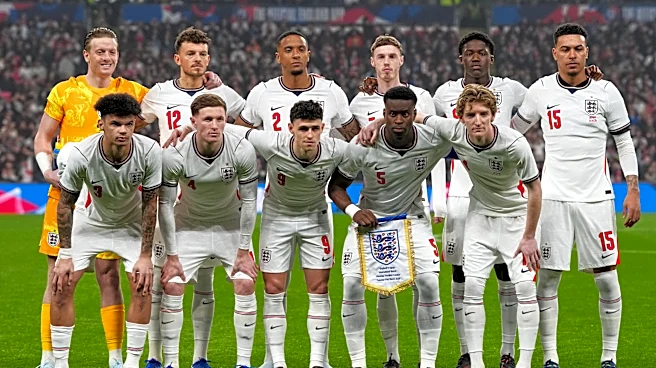
On the English side, the rivalry is seen as a chance to reaffirm their footballing prowess and maintain their historical dominance. The matches are highly anticipated, drawing large crowds and significant media attention. This cultural significance adds an extra layer of intensity to the encounters, making them more than just a contest of skill.
Modern Implications and Future Outlook
In recent years, the rivalry has evolved, with both nations striving to move beyond historical grievances. However, the cultural and political dimensions remain relevant, influencing how the matches are perceived and experienced by fans. The 1995 Lansdowne Road riot, for example, was a stark reminder of how quickly tensions can escalate, even in a sporting context.
As the teams continue to meet in international competitions, the rivalry is likely to persist, shaped by both historical narratives and contemporary developments. While the focus remains on the sport, the cultural and political undertones ensure that each match carries a significance that extends beyond the final score. This enduring rivalry is a testament to the complex interplay of history, culture, and sport, making it a fascinating aspect of international football.