


The chef's knife is a cornerstone of culinary tools, renowned for its craftsmanship and the quality of materials used in its construction. This article explores the intricate process of making chef's knives, focusing on the materials and techniques that contribute to their durability and performance in the kitchen.
Forged vs. Stamped Blades
Chef's knives are typically made with either forged or stamped blades, each offering distinct qualities. Forged blades are crafted through
a meticulous process that involves heating a steel blank to a high temperature and then hammering it into shape. This method not only hardens the steel but also allows for the creation of a full-tang design, where the metal extends from the blade's tip to the handle's end. This construction provides balance and strength, making forged knives a preferred choice for many professional chefs.
Stamped blades, in contrast, are cut directly from cold rolled steel. They undergo annealing, tempering, and heat treatment to enhance their toughness and strength. While stamped knives are often associated with mass production and affordability, advancements in manufacturing have led to high-quality options that rival their forged counterparts. The choice between forged and stamped often comes down to personal preference and budget.
Materials and Edge Design
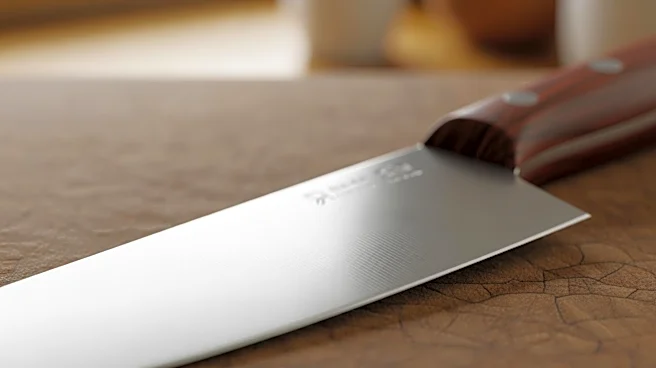
The blade of a chef's knife can be made from various materials, including carbon steel, stainless steel, or a combination of both. Carbon steel is known for its sharpness and ease of sharpening, while stainless steel offers resistance to rust and corrosion. Some knives even feature a laminate or folded sandwich of metals, combining the best properties of each material.
The edge of a chef's knife is another critical aspect of its design. Different grinding techniques are employed to enhance the knife's versatility. For instance, the fine tip might be ground with a sharp, acute bevel for precision tasks like mincing, while the midsection is designed for general cutting and slicing. The heel of the blade is often thicker and stronger, suitable for heavy-duty tasks such as disjointing meat.
Handle Construction
The handle of a chef's knife is crafted from materials like wood, steel, or synthetic composites. Wooden handles offer a traditional feel and aesthetic, while synthetic materials provide durability and resistance to moisture. The choice of handle material can affect the knife's balance and comfort during use.
In conclusion, the craftsmanship behind chef's knives is a blend of traditional techniques and modern innovations. Whether forged or stamped, the materials and design choices made in the construction of a chef's knife play a crucial role in its performance and longevity. This attention to detail ensures that chef's knives remain an essential tool in kitchens around the world.