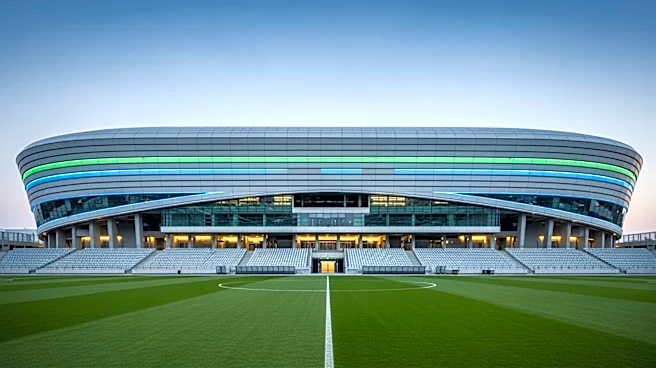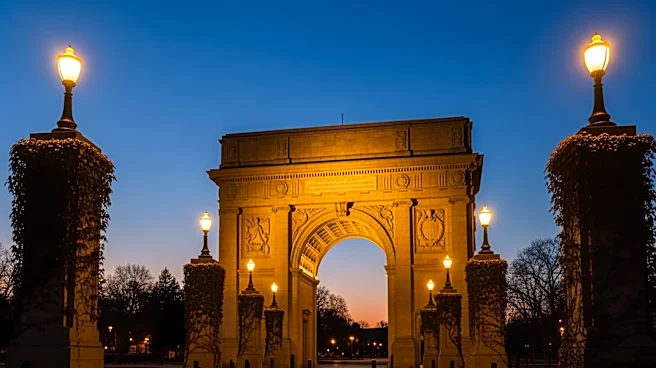


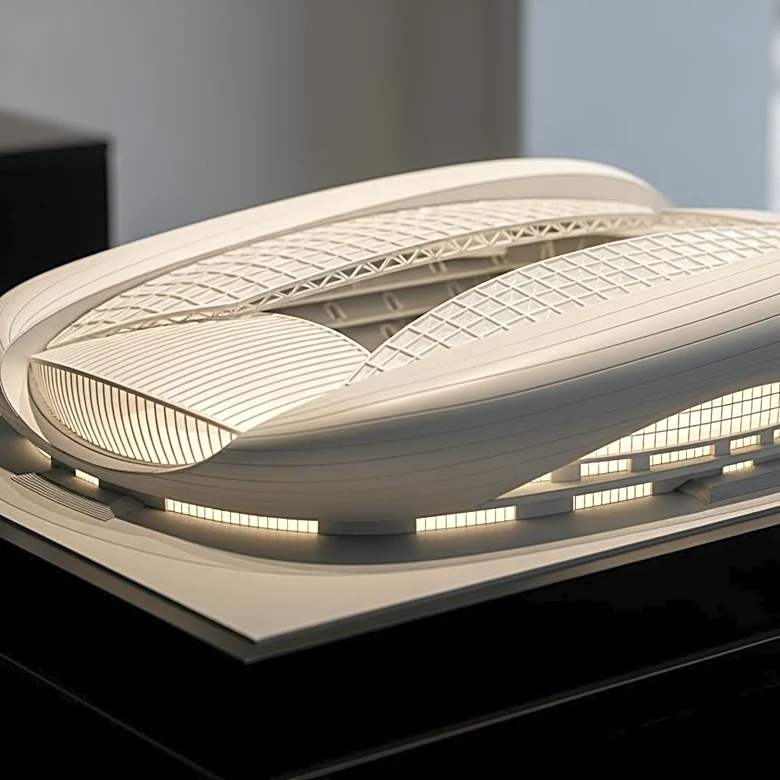





Stadio Artemio Franchi in Florence, Italy, is not only a landmark of architectural and sporting significance but also a cultural icon. Its influence extends beyond the realm of sports, impacting the social and cultural fabric of Florence and Italy as a whole. This article explores the cultural and social significance of this iconic stadium.
A Symbol of Modern Architecture
The Stadio Artemio Franchi is a testament to the innovative spirit of modern architecture. Designed by Pier Luigi
Nervi, the stadium is celebrated for its use of reinforced concrete and its unique design features, such as the "Tower of Marathon." This architectural marvel has become a symbol of Florence's embrace of modernity and progress.
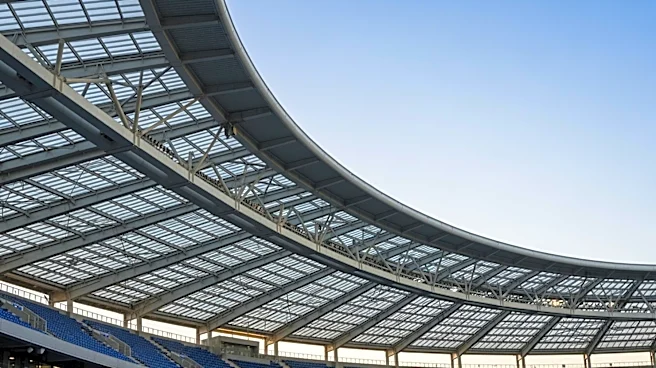
The stadium's design has influenced not only sports venues but also the broader field of architecture. Its innovative use of materials and structural design has inspired architects worldwide, making it a cultural touchstone in the world of design. The stadium's architectural significance has contributed to Florence's reputation as a city that values both tradition and innovation.
A Hub for Community and Entertainment
Beyond its architectural significance, Stadio Artemio Franchi serves as a hub for community gatherings and entertainment. It is the home of ACF Fiorentina, one of Italy's most beloved football clubs. The stadium's matches draw fans from across the region, creating a sense of community and shared identity among supporters.
The stadium has also hosted numerous concerts and events, attracting international artists like David Bowie, Madonna, and Bruce Springsteen. These events have brought diverse audiences to the stadium, further cementing its role as a cultural and entertainment center. The stadium's ability to host a wide range of events highlights its importance as a venue for cultural exchange and community engagement.
A Legacy of Cultural Influence
Stadio Artemio Franchi's cultural impact extends beyond its physical structure. It has played a role in shaping the cultural identity of Florence and Italy, serving as a symbol of modernity, community, and entertainment. The stadium's influence is felt not only in the world of sports but also in the broader cultural landscape.
In conclusion, Stadio Artemio Franchi is more than just a sports venue; it is a cultural icon that has left a lasting impact on Florence and Italy. Its architectural significance, role as a community hub, and legacy of cultural influence make it a vital part of the region's cultural heritage.