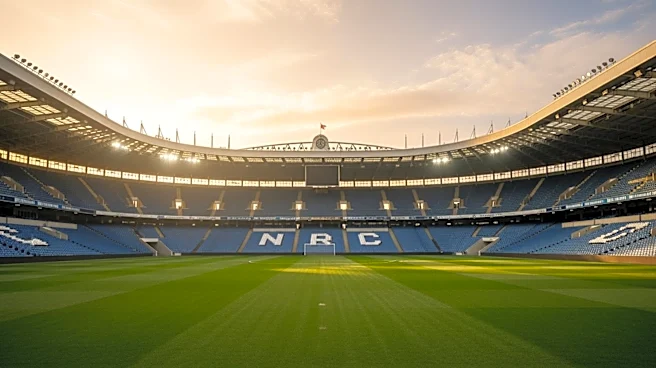




Rajko Mitić Stadium, formerly known as Red Star Stadium, is more than just a sports venue; it is a cultural icon in Serbia. Located in Belgrade, this stadium has been the home of Red Star Belgrade since 1963 and has played a significant role in the country's sports and cultural history. Its influence extends beyond football, touching various aspects of Serbian society.
A Symbol of National Pride
The stadium's history is deeply intertwined with the national identity of Serbia.
Originally built on the site of the old SK Jugoslavija stadium, it became a symbol of renewal and progress in the post-war era. The construction of the new stadium in the early 1960s was a monumental task, reflecting the country's ambition and resilience.
Nicknamed "Marakana" after the famous Brazilian stadium, Rajko Mitić Stadium quickly became a source of national pride. It hosted numerous international matches, including European Cup finals and UEFA European Championship finals, showcasing Serbia on the global stage. The stadium's capacity to hold over 100,000 spectators during its peak years made it a gathering place for fans and a symbol of unity.
A Venue for Historic Events
Beyond football, Rajko Mitić Stadium has hosted a variety of significant events that have left a lasting impact on Serbian culture. It has been the site of memorable concerts, including performances by renowned artists like Zdravko Čolić and Ceca, drawing massive crowds and creating unforgettable experiences.
The stadium has also been a venue for important political and social gatherings, further cementing its role as a cultural hub. Its ability to bring people together for diverse events highlights its versatility and importance in Serbian society.
The Legacy of Rajko Mitić
In 2014, the stadium was renamed in honor of Rajko Mitić, a legendary player and a symbol of Red Star Belgrade's rich history. This renaming was a testament to the stadium's deep connection with the club and its fans. The legacy of Rajko Mitić lives on through the stadium, inspiring future generations of athletes and fans.
Today, Rajko Mitić Stadium continues to be a vital part of Serbia's cultural landscape. Its ongoing renovations and modernization efforts ensure that it remains a premier venue for sports and entertainment. As a cultural icon, the stadium embodies the spirit of Serbia, celebrating its past while looking forward to the future.