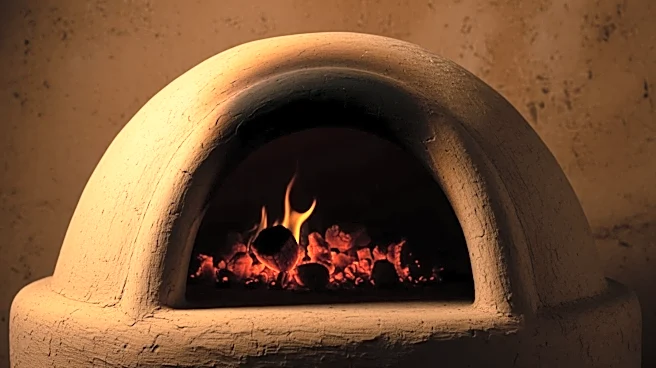







Ovens have been more than just cooking tools; they hold cultural and symbolic significance in various societies. From ancient rituals to modern culinary traditions, ovens have played a pivotal role in shaping cultural identities and practices. This article explores the cultural importance of ovens across different regions and historical contexts.
Ancient Rituals and Traditions
In ancient times, ovens were central to community gatherings and rituals. The earliest ovens, dating back
to 29,000 BC, were used for communal cooking, fostering social bonds among early humans. In Anatolia, tandır ovens were used to bake unleavened flatbread, a staple in the region's diet. The act of sharing bread baked in these ovens became a symbol of hospitality and unity.
In the Middle East, the tradition of baking bread in earth ovens continues to hold cultural significance. The process of baking bread in hot sands beneath a campfire is a cherished practice among Bedouin and Tuareg nomads. This method not only provides sustenance but also connects people to their ancestral roots, preserving cultural heritage through culinary practices.
Modern Culinary Traditions
Today, ovens remain integral to culinary traditions worldwide. In many cultures, ovens are used to prepare dishes for special occasions and celebrations. The Hawaiian imu, a type of earth oven, is used to cook large quantities of food for communal feasts, reflecting the importance of sharing and community in Hawaiian culture.
In Europe, the tradition of kleftiko, a dish cooked in a covered pit, is linked to historical events such as the Greek War of Independence. This method of cooking, originally used to avoid detection by Turkish forces, has become a symbol of resilience and cultural identity. Such traditions highlight how ovens are intertwined with cultural narratives and historical events.
Symbolic Meanings
Beyond their practical uses, ovens carry symbolic meanings in various cultures. In some societies, the act of baking bread is seen as a metaphor for nurturing and providing for one's family. The warmth of an oven is often associated with the comfort and security of home, making it a powerful symbol in literature and art.
The cultural significance of ovens extends beyond their physical function, embodying values of community, tradition, and identity. As ovens continue to evolve, they remain a testament to the enduring connection between food, culture, and society.