




Pet doors have come a long way from their humble beginnings as simple holes in walls or doors. These small openings have evolved into sophisticated devices that allow pets to enter and exit buildings independently. This article explores the historical development of pet doors and the technological advancements that have transformed them into the modern conveniences they are today.
Early Beginnings
The concept of pet doors dates back centuries, with early versions being
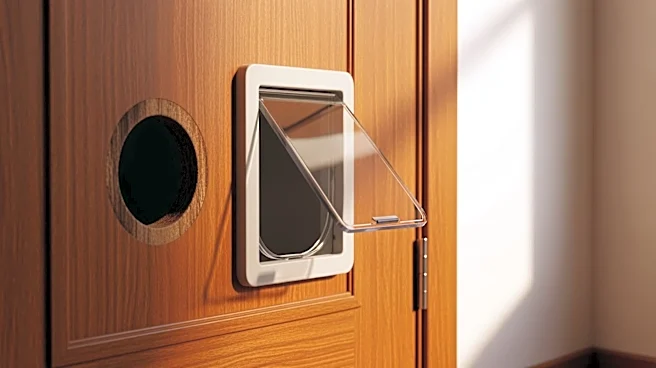
nothing more than simple holes in walls or doors. These rudimentary openings allowed cats and other small animals to enter and exit storage spaces, such as grain and flour storage areas, to hunt rodents. This practice was common in rural areas where feral cats were welcomed for their pest control abilities. The idea of providing access for pets was not new, as evidenced by historical references such as Geoffrey Chaucer's "Miller's Tale" from the late 14th century, which mentions a cat hole.
In rural areas of Spain and France, farm cat doors, known as "gateras" and "chatières," respectively, are still used today. These simple openings reflect the long-standing relationship between humans and animals, where pets were valued for their practical contributions to daily life.
Modern Innovations
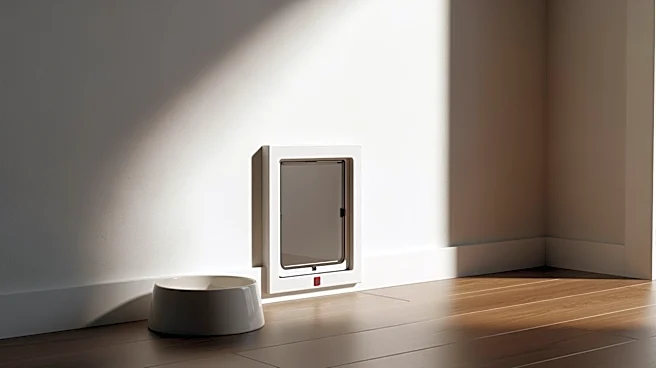
As time progressed, pet doors evolved from basic holes to more sophisticated designs. The modern pet door typically features a hinged or spring-loaded panel or flexible flap, providing a degree of protection against wind, rain, and intruders. Some pet doors are even electronically controlled, offering selective access to pets while keeping unwanted animals out.
Technological advancements have led to the development of pet doors with improved weather resistance and security features. For instance, some doors use magnets or infrared locks to ensure they remain closed against the elements. Others employ radio-frequency identification (RFID) technology to read a pet's microchip, allowing only authorized pets to pass through. These innovations have made pet doors more convenient and secure for pet owners.
The Role of Pet Doors Today
In contemporary society, pet doors are valued for their convenience and ability to reduce unwanted pet behaviors. They allow pets to come and go as they please, minimizing the need for owners to manually let them in or out. This independence helps prevent behaviors such as loud vocalization, scratching, and indoor accidents.
Pet doors also provide a safe way for pets to return indoors during inclement weather, ensuring their well-being when left outside. In suburban North America, pet doors are commonly installed between homes and garages, allowing pets to access areas where pet-related items are stored.
Overall, the evolution of pet doors reflects the changing relationship between humans and their pets. From simple holes to high-tech solutions, pet doors continue to adapt to the needs of modern pet owners, offering convenience, security, and peace of mind.