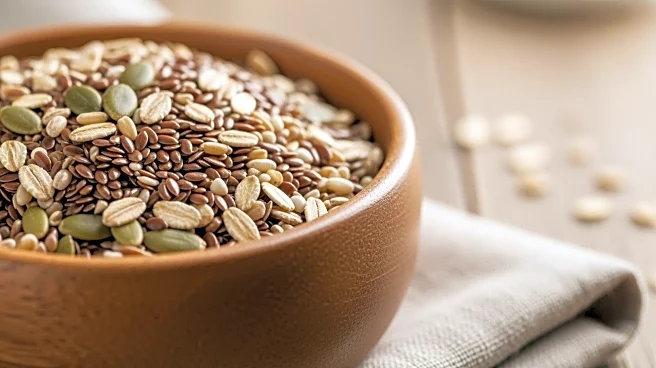

Dietary fiber is more than just a digestive aid; it is a powerful tool in the prevention of chronic diseases. Found in plant-based foods, fiber is a type of carbohydrate that the body cannot digest, yet
it offers numerous health benefits. This article examines the role of dietary fiber in disease prevention, highlighting its impact on heart health, diabetes management, and cancer risk reduction.
Heart Health and Cholesterol Management
One of the most well-documented benefits of dietary fiber is its ability to lower blood cholesterol levels, particularly LDL cholesterol. Soluble fiber, found in foods like oats and barley, binds to bile acids in the intestine, preventing their reabsorption. This process forces the liver to use cholesterol to produce more bile acids, effectively reducing blood cholesterol levels.
Regular consumption of soluble fiber has been associated with a reduced risk of cardiovascular diseases, including heart attacks and strokes. By lowering cholesterol levels and improving heart health, fiber plays a crucial role in maintaining a healthy cardiovascular system.
Diabetes Management
Dietary fiber is also beneficial for individuals with diabetes, as it helps regulate blood sugar levels. Soluble fiber slows down the absorption of sugar, preventing spikes in blood glucose after meals. This can improve glycemic control and reduce the risk of developing type 2 diabetes.
Insoluble fiber, found in whole grains and vegetables, is linked to improved insulin sensitivity. Although the exact mechanism is not fully understood, it is believed that insoluble fiber enhances the body's ability to use insulin effectively, thereby reducing the risk of diabetes-related complications.
Cancer Risk Reduction
A high-fiber diet has been associated with a lower risk of certain types of cancer, particularly colorectal cancer. Fiber promotes a healthy digestive tract by increasing stool bulk and reducing transit time, which can prevent the accumulation of carcinogens in the colon.
Additionally, fermentable fibers, such as resistant starch and inulin, produce short-chain fatty acids during fermentation in the colon. These fatty acids have anti-inflammatory properties and may protect against cancer by promoting a healthy gut environment.
While dietary fiber is a valuable component of disease prevention, it is important to consume a variety of fiber-rich foods to maximize health benefits. A balanced diet that includes fruits, vegetables, whole grains, and legumes can provide the necessary fiber to support overall health and reduce the risk of chronic diseases.