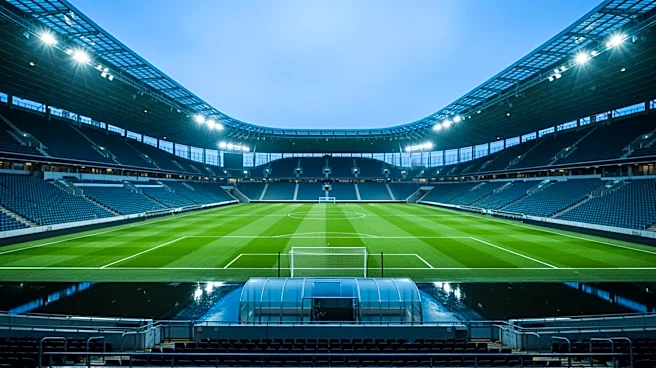


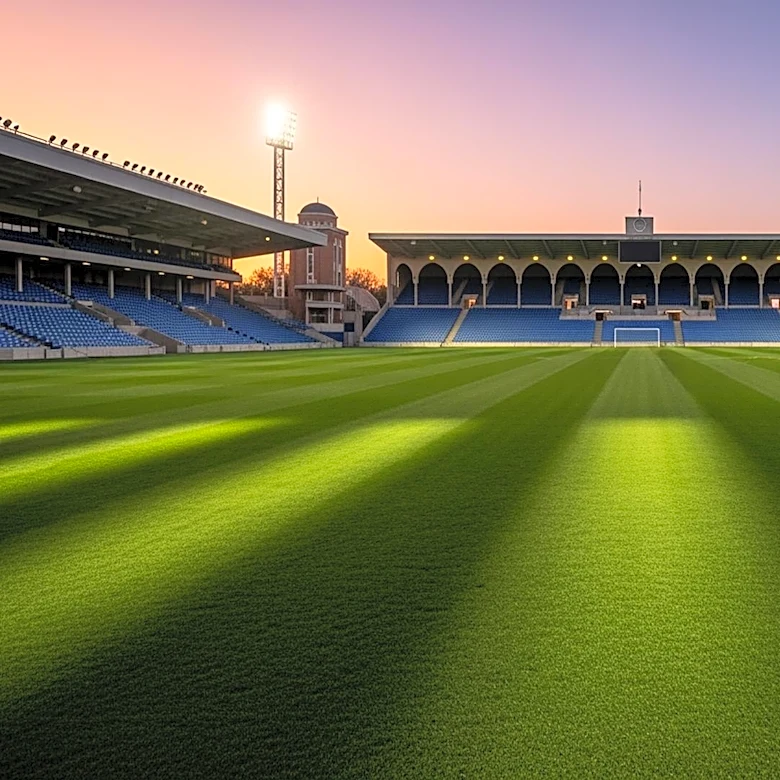



Daejeon World Cup Stadium, also known as the Purple Arena, played a crucial role during the 2002 FIFA World Cup, co-hosted by South Korea and Japan. This stadium, with a capacity of 40,535, was one of the key venues for the tournament, hosting several memorable matches. Its legacy continues as it remains a central part of South Korea's football culture.
Hosting the World Cup
The 2002 FIFA World Cup was a landmark event for South Korea, marking the first time the tournament
was held in Asia. Daejeon World Cup Stadium was one of the ten venues in South Korea selected to host the matches. During the tournament, it witnessed thrilling encounters, including a group stage match between South Africa and Spain, and another between Poland and the United States.
One of the most memorable matches held at the stadium was the Round of 16 clash between South Korea and Italy. This match was significant as South Korea defeated Italy 2-1, advancing to the quarter-finals. The victory was celebrated nationwide and is remembered as a defining moment in South Korean football history.
Post-World Cup Transformation
After the World Cup, Daejeon World Cup Stadium transitioned from a global stage to a local sports hub. It became the home stadium for Daejeon Hana Citizen FC, a football club that has been based there since 2002. The stadium's continued use for domestic football has helped maintain its relevance and importance in the region.
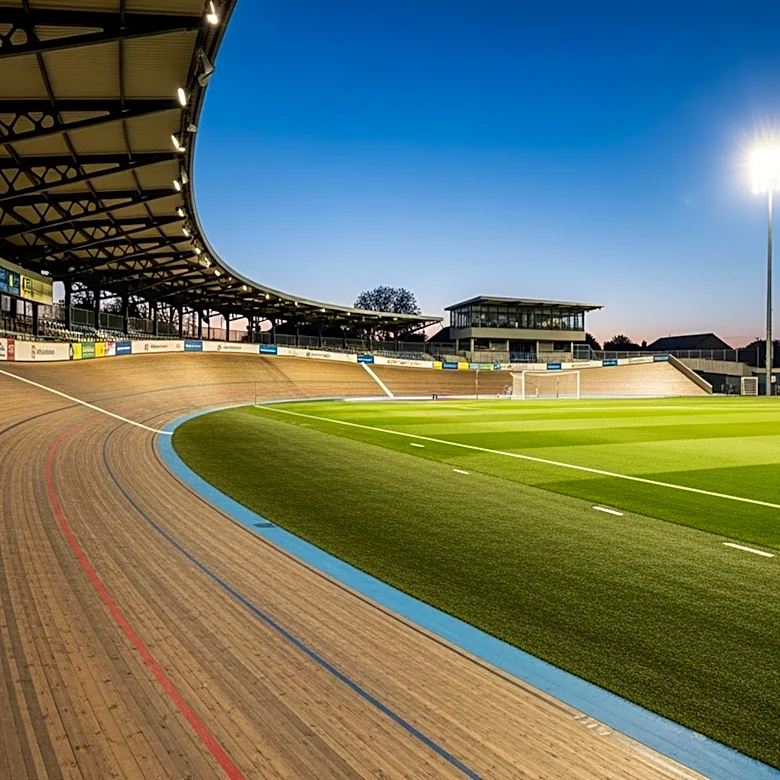
The stadium was also envisioned as a multi-purpose sports park, incorporating a comprehensive sports center and facilities for commercial and cultural activities. This transformation aimed to ensure the stadium's sustainability and integration into the community, providing a venue for various events beyond football.
Continuing Impact
The legacy of the 2002 FIFA World Cup lives on through Daejeon World Cup Stadium. It remains a symbol of South Korea's successful hosting of the tournament and its commitment to developing sports infrastructure. The stadium has contributed to the growth of football in the region, inspiring young athletes and fostering a vibrant sports culture.
Daejeon World Cup Stadium's impact extends beyond sports, as it has become a focal point for community activities and economic development. By hosting a range of events, it continues to attract visitors and support local businesses, ensuring its place as a vital part of Daejeon's urban landscape.