




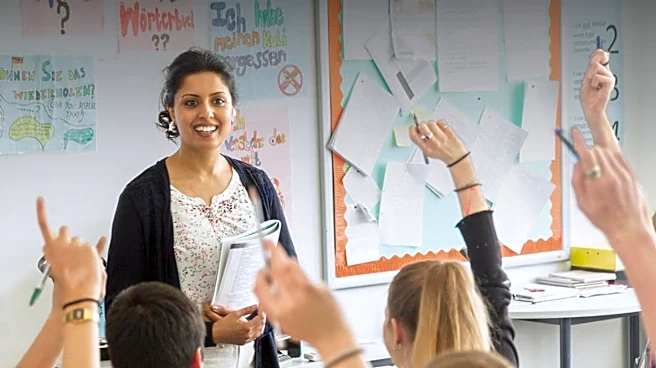


Secondary education is a pivotal stage in a young person's life, shaping not only their academic abilities but also their personal and social development. This phase of education plays a crucial role in preparing students for adulthood, equipping them with the skills and knowledge needed to navigate the complexities of modern society. This article explores the impact of secondary education on individual growth and societal progress.
Personal Growth and Skill Development
During secondary
education, students undergo significant personal growth, developing a sense of identity and independence. This period is marked by the transition from childhood to adolescence, a time when young people begin to explore their interests and passions. Secondary education provides a structured environment for this exploration, offering a diverse range of subjects and extracurricular activities.
In addition to academic knowledge, secondary education fosters essential life skills such as critical thinking, problem-solving, and effective communication. These skills are vital for success in higher education and the workforce, enabling students to adapt to new challenges and opportunities. By encouraging creativity and innovation, secondary education helps students develop the confidence to pursue their goals and aspirations.
Socialization and Civic Engagement
Secondary education also plays a key role in socialization, teaching students how to interact with others and navigate social norms. Schools provide a microcosm of society, where students learn to collaborate, negotiate, and resolve conflicts. These experiences are crucial for developing empathy and understanding, fostering a sense of community and belonging.
Civic education is often an integral part of the secondary curriculum, promoting awareness of social and political issues. By engaging with topics such as democracy, human rights, and environmental sustainability, students are encouraged to become active, informed citizens. This engagement lays the foundation for lifelong civic participation, empowering young people to contribute to positive change in their communities and beyond.
Societal Progress and Economic Development
The benefits of secondary education extend beyond the individual, contributing to societal progress and economic development. An educated population is better equipped to address complex global challenges, from climate change to social inequality. By fostering a culture of innovation and critical thinking, secondary education drives scientific and technological advancements, fueling economic growth and prosperity.
Moreover, secondary education plays a vital role in reducing poverty and promoting social mobility. By providing equal opportunities for all students, regardless of their background, education can break the cycle of disadvantage and create a more equitable society. As we look to the future, the continued investment in secondary education is essential for building a sustainable, inclusive world.