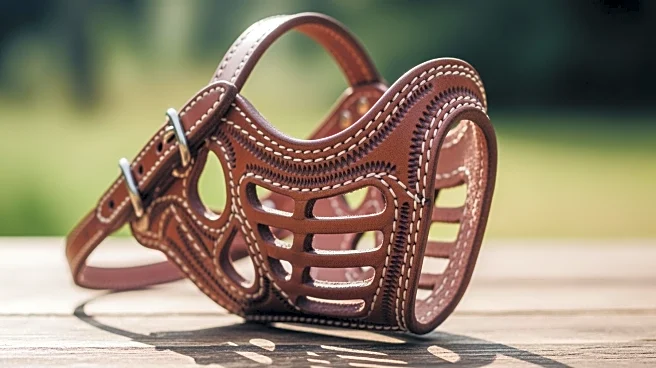








Animal muzzles are designed to prevent biting and control the opening of an animal's mouth. These devices are crucial for managing animal behavior and ensuring safety. The design and materials used in muzzles vary depending on the animal and the intended use. From solid constructions to strap-based designs, muzzles are crafted to balance functionality and comfort.
Design Variations
Muzzles can be primarily solid with air holes to allow the animal to breathe, or they
can be made from a set of straps that provide better air circulation. The latter design allows the animal to drink and, in some cases, eat. The choice between these designs often depends on the specific needs of the animal and the situation. For instance, a solid muzzle might be used for a dog that needs to be prevented from biting, while a strap-based muzzle might be more suitable for a horse that needs to graze.
Material Choices
The materials used in muzzles are selected for durability and comfort. Common materials include leather, wire, plastic, and nylon. Leather muzzles are often chosen for their strength and durability, making them suitable for larger animals or those with a strong bite. Wire muzzles, particularly those with a cage construction, are favored for their comfort, as they allow the animal to pant freely. Plastic and nylon muzzles are lightweight and often used for smaller animals or in situations where the muzzle will be worn for extended periods.
Specialized Muzzles
In addition to standard designs, specialized muzzles are being developed for unique applications. For example, a muzzle under development in England aims to capture methane emissions from cows. This muzzle converts the methane into carbon dioxide and water, showcasing how muzzle design can extend beyond traditional uses. Such innovations highlight the potential for muzzles to address environmental challenges, in addition to their role in animal management.
The design and materials of muzzles are critical to their effectiveness and comfort. By understanding these elements, animal owners and handlers can choose the right muzzle for their needs, ensuring safety and well-being for both the animal and those around it. As new materials and designs are explored, the functionality and applications of muzzles will continue to evolve, offering new solutions for animal management and environmental sustainability.