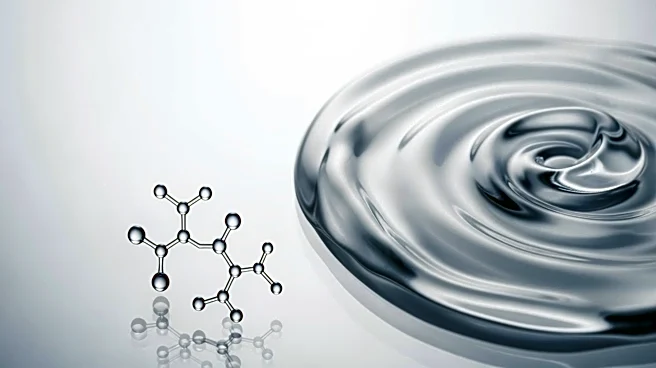






Phenoxyethanol is a widely used preservative known for its effectiveness in preventing microbial growth. However, like many chemical compounds, it raises questions about safety and environmental impact. This article examines the safety profile of phenoxyethanol and its environmental considerations, providing a comprehensive overview of its use and potential risks.
Safety Profile and Potential Allergens
Phenoxyethanol is generally regarded as safe for use in cosmetics and pharmaceuticals,
but it is not without its potential risks. As a vaccine preservative, phenoxyethanol has been associated with allergic reactions in some individuals. These reactions can include rashes, eczema, and, in rare cases, more severe symptoms. It is important for manufacturers to adhere to regulatory guidelines to minimize these risks.
The compound is known to reversibly inhibit NMDAR-mediated ion currents, which may contribute to its allergenic potential. Despite these concerns, phenoxyethanol remains a popular choice due to its effectiveness and stability. Ongoing research and monitoring are essential to ensure its continued safety in consumer products.
Environmental Impact and Biodegradation
Given its widespread use, the environmental impact of phenoxyethanol is a topic of interest. Studies have examined its biodegradation pathways, revealing that phenoxyethanol can be broken down into phenol and acetaldehyde. This biodegradation process is crucial in mitigating the compound's environmental footprint.
While phenoxyethanol is considered biodegradable, its presence in the environment still warrants attention. The compound's potential to accumulate in aquatic ecosystems and its effects on wildlife are areas of ongoing research. Understanding these impacts is vital for developing strategies to minimize environmental harm.
Regulatory and Industry Response
Regulatory bodies in Japan and the European Union have set concentration limits for phenoxyethanol in cosmetics, capping it at 1%. These regulations are designed to protect consumers and the environment by ensuring safe levels of exposure. Compliance with these guidelines is crucial for manufacturers to maintain consumer trust and product safety.
In response to consumer concerns about preservatives, some companies have sought alternatives to phenoxyethanol. However, its effectiveness and versatility make it a challenging compound to replace. As the industry continues to evolve, balancing safety, efficacy, and environmental impact remains a priority.
Phenoxyethanol's safety and environmental considerations highlight the complexities of using chemical preservatives. While it offers significant benefits in product preservation, ongoing research and regulation are essential to address potential risks and ensure sustainable use. By understanding these factors, manufacturers and consumers can make informed decisions about the products they use and their impact on the world around them.