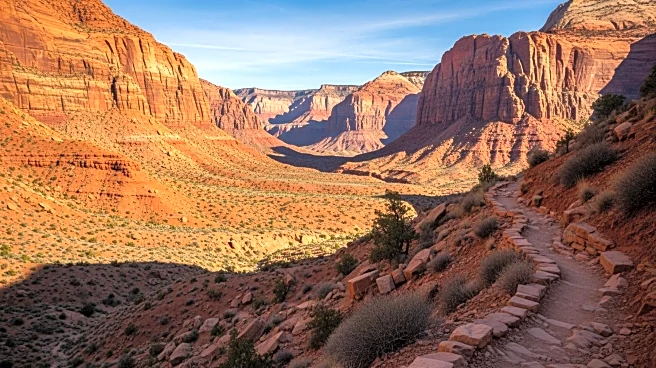




Grand Canyon National Park is a hiker's paradise, offering a diverse array of trails that cater to adventurers of all skill levels. From well-maintained corridor trails to primitive routes, the park's trails provide unique opportunities to explore the canyon's breathtaking landscapes. This article serves as a guide to the trails of Grand Canyon National Park, highlighting the different types of trails and the experiences they offer.
Corridor Trails: The Popular Pathways
Corridor trails
in Grand Canyon National Park receive the highest hiking and stock use, making them popular choices for visitors. These trails are regularly patrolled and maintained by the National Park Service, ensuring a safe and enjoyable hiking experience. The South Kaibab Trail and North Kaibab Trail are part of the Arizona Trail system, offering stunning views and access to key areas of the park.
Hikers taking their first trip into the inner canyon are encouraged to use corridor trails, which include campgrounds with ranger stations, water, and emergency phones. These trails provide a more accessible way to experience the canyon's beauty, with well-defined paths and support facilities. The corridor trails are ideal for those seeking a structured and scenic hiking adventure.
Threshold and Primitive Trails: A Step Off the Beaten Path
For those looking to venture beyond the popular pathways, threshold and primitive trails offer a more rugged and secluded experience. Threshold trails receive lower visitation than corridor trails and are not regularly maintained, but they offer unique opportunities to explore the canyon's natural beauty. Cairns are permitted along these trails, guiding hikers through less-traveled areas.
Primitive trails receive the least visitation and are characterized by their challenging terrain. The National Park Service only reconstructs sections of these trails when necessary to prevent hazards. Hikers on primitive trails can expect a more solitary experience, with the chance to encounter the canyon's diverse flora and fauna. These trails are suited for experienced hikers seeking a deeper connection with nature.
Routes and Above-Rim Trails: Exploring the Wild
Routes in Grand Canyon National Park are footpaths that do not fall under the definition of trails, often created by cross-country hiking or animal use. These routes offer the lowest visitation and are maintained only to minimize damage to natural resources. Hikers on routes can expect a challenging and adventurous experience, navigating through the canyon's wild landscapes.
Above-rim trails provide opportunities to explore the park without venturing below the canyon's rim. These trails offer stunning views and access to unique geological formations, making them a great option for those seeking a less strenuous hike. Whether exploring routes or above-rim trails, hikers can enjoy the park's diverse ecosystems and breathtaking vistas.
Grand Canyon National Park's trails offer a variety of experiences for hikers of all levels. From popular corridor trails to challenging primitive routes, the park provides opportunities to explore its natural beauty and connect with the canyon's unique landscapes. Whether you're a seasoned adventurer or a first-time visitor, the trails of Grand Canyon National Park promise an unforgettable journey.