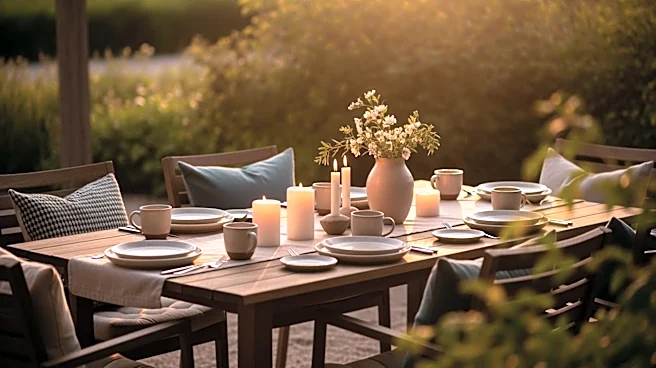

Slow parenting is a philosophy that encourages a more relaxed and less structured approach to raising children. By allowing children to explore the world at their own pace, this parenting style can significantly
influence family dynamics. It emphasizes quality time over quantity, fostering stronger family bonds and encouraging independence in children. This article explores how slow parenting affects family relationships and the overall family environment.
Strengthening Family Bonds
One of the primary goals of slow parenting is to strengthen family bonds by spending quality time together. This approach encourages families to engage in activities that promote interaction and communication, such as eating dinner together or participating in outdoor activities. According to the book "The Price of Privilege," eating dinner as a family is an indicator of good psychological health. Slow parenting supports this idea by advocating for shared family experiences that foster connection and understanding.
Tom Hodgkinson, in his book "The Idle Parent," suggests that parents should spend more time taking care of themselves, which can lead to happier and more balanced family dynamics. By focusing on their well-being, parents can be more present and engaged with their children, creating a nurturing environment that benefits the entire family.
Encouraging Independence and Self-Discovery
Slow parenting also impacts family dynamics by encouraging children to develop independence and self-discovery. By allowing children to explore their interests and make their own decisions, parents can help them build confidence and self-reliance. This approach contrasts with more controlling parenting styles, where parents dictate their children's activities and choices.
By stepping back and allowing children to face challenges and risks, slow parenting fosters resilience and problem-solving skills. This independence can lead to a more harmonious family environment, as children learn to navigate the world on their own terms. Parents, in turn, can focus on providing guidance and support rather than micromanaging their children's lives.
Reducing Stress and Over-Scheduling
Another significant impact of slow parenting on family dynamics is the reduction of stress and over-scheduling. In today's fast-paced world, many families feel pressured to fill their children's schedules with activities and classes. Slow parenting challenges this notion by advocating for a more relaxed approach, allowing children to have unstructured time to play and explore.
This reduction in stress can lead to a more peaceful and enjoyable family life. Parents are not constantly rushing from one activity to the next, and children have the freedom to pursue their interests at their own pace. This balance can create a more positive and supportive family environment, where everyone feels valued and understood.
In conclusion, slow parenting can have a profound impact on family dynamics by strengthening bonds, encouraging independence, and reducing stress. By embracing this philosophy, families can create a nurturing and supportive environment that allows children to thrive.