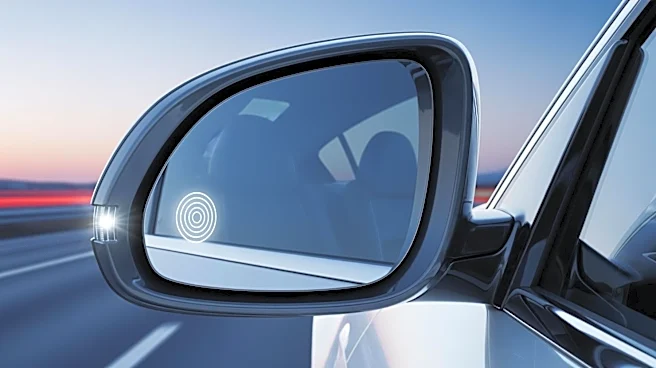





Blind spot monitoring systems have become a crucial component in modern vehicle safety, helping drivers avoid accidents by detecting vehicles in areas that are not visible through mirrors. This article explores the historical development of these systems, highlighting key milestones and advancements that have shaped their evolution.
Early Developments and Innovations
The concept of blind spot monitoring began to take shape in the late 20th century as automotive manufacturers sought
to enhance driver safety. The initial focus was on improving mirror designs to reduce blind spots. George Platzer's 1995 paper presented to the Society of Automotive Engineers documented a method for adjusting side mirrors to eliminate blind spots. This method, although effective, was often overlooked in driver's education and required drivers to adjust to a new way of using mirrors.
As technology advanced, manufacturers began to explore sensor-based solutions. The first significant leap came with the introduction of the blind spot monitor in the 2001 Volvo SCC concept car. This system used cameras and radar sensors to detect vehicles in the blind spot and alert the driver, marking a shift from manual to automated solutions.
Adoption by Major Automakers
Following Volvo's pioneering efforts, other automakers quickly recognized the potential of blind spot monitoring systems. Mazda became the first Japanese automaker to offer such a system, known as Blind Spot Monitoring (BSM), on the 2008 Mazda CX-9 Grand Touring. Initially limited to high-end models, the system's availability expanded over the years to include a wider range of vehicles.
Ford also embraced this technology, introducing its Blind Spot Information System (BLIS) in the 2010 Ford Fusion and other models. This system was notable for its integration with other safety features, such as cross-traffic alerts, which provided additional protection when reversing out of parking spaces.
Technological Advancements and Future Prospects
The evolution of blind spot monitoring systems has been driven by continuous technological advancements. Modern systems now incorporate a variety of sensors, including radar and cameras, to provide comprehensive coverage of a vehicle's surroundings. These systems offer visual, audible, and tactile warnings to alert drivers of potential hazards.
Looking ahead, the integration of blind spot monitoring with other advanced driver-assistance systems (ADAS) is expected to enhance vehicle safety further. As automakers continue to innovate, these systems may become standard features in all vehicles, contributing to a significant reduction in accidents caused by blind spots.
In conclusion, the development of blind spot monitoring systems reflects the automotive industry's commitment to improving driver safety. From early mirror adjustments to sophisticated sensor-based solutions, these systems have evolved significantly, offering drivers greater awareness and peace of mind on the road.