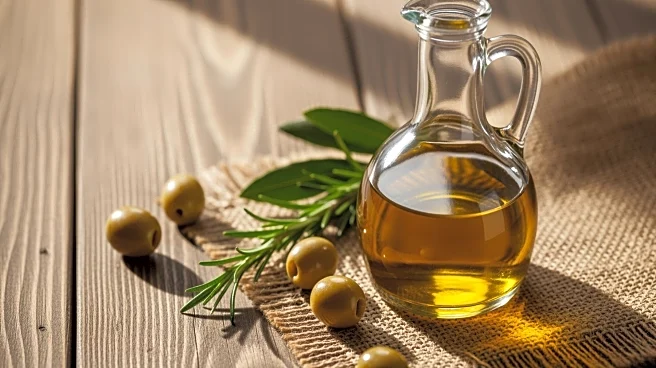




Olive oil is a cornerstone of Spanish cuisine, deeply embedded in the country's culinary practices and traditions. As the world's largest producer of olive oil, Spain utilizes this versatile ingredient in a myriad of ways, from frying to flavoring dishes. This article examines the importance of olive oil in Spanish cooking and its impact on the nation's culinary identity.
Historical Significance
The cultivation of olives and production of olive oil in Spain dates back to
ancient times, introduced by the Greeks and Phoenicians. Olive oil became a staple in the Mediterranean triad alongside wheat and grapes, forming the foundation of Spanish agriculture and cuisine during the Roman Era.
Throughout history, olive oil has been a symbol of prosperity and health, valued for its nutritional benefits and culinary versatility. Its widespread use in Spanish cooking reflects the country's rich agricultural heritage and commitment to quality ingredients.
Culinary Applications
In Spanish cuisine, olive oil is used extensively for frying, particularly in Andalusian dishes like pescaíto frito and puntillitas. The oil's ability to withstand high temperatures makes it ideal for creating crispy, flavorful fried foods without compromising taste.
Beyond frying, olive oil serves as the base for many vegetable sauces, known as sofritos, which are integral to Spanish cooking. It is also used to dress salads, marinate meats, and enhance the flavors of various dishes, showcasing its adaptability and importance in the culinary arts.
Regional Variations
Different regions in Spain have their own unique approaches to using olive oil, influenced by local traditions and available ingredients. Andalusia, for example, is known for its extensive olive groves and high consumption of olive oil, which is a key component in many of its dishes.
In Catalonia, olive oil is used to create rich sauces like romesco, while in the Basque Country, it complements the flavors of fresh seafood and meats. Each region's use of olive oil reflects its culinary identity and contributes to the diverse tapestry of Spanish cuisine.
Olive oil's role in Spanish cuisine is undeniable, serving as both a fundamental ingredient and a symbol of the country's culinary excellence. Its versatility and rich history continue to influence Spanish cooking, making it an essential part of the nation's gastronomic heritage.