






Paul Revere's midnight ride on April 18, 1775, was a critical military maneuver that played a significant role in the early stages of the American Revolution. The ride was not just a simple warning; it was a well-coordinated effort to alert the colonial militias of the British troops' advance, allowing them to prepare for the battles of Lexington and Concord. This strategic alert was a testament to the organizational skills and foresight of the American Patriots.
The Planning and Execution
The success of Paul Revere's midnight ride was due in large part to meticulous planning and execution. In the days leading up to the ride, the Patriots had received intelligence about the British plans to crack down on the Massachusetts Provincial Congress and seize military supplies in Concord. In response, the Sons of Liberty, including Revere and William Dawes, devised a plan to alert the militias.
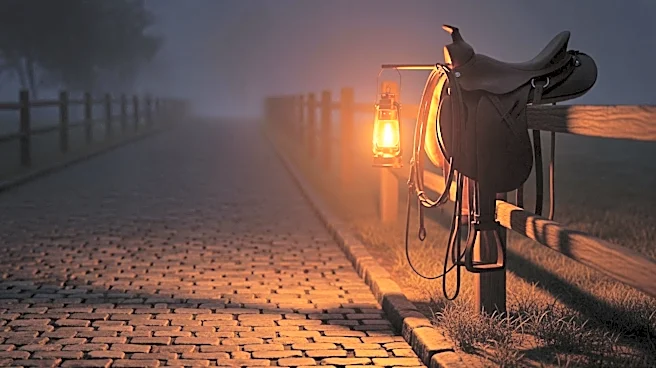
The plan involved a signal from the Old North Church in Boston, where two lanterns were hung to indicate that the British were advancing by sea. This signal was crucial in alerting the colonists in Charlestown, who then dispatched additional riders to spread the word. Revere's ride was part of a larger network of riders, ensuring that the alarm reached as many people as possible.
The Ride's Immediate Impact
Revere's ride took him through several towns, including Somerville, Medford, and Arlington, where he warned the local militias of the British approach. His message was clear: "The Regulars are coming out." This warning allowed the militias to mobilize and prepare for the impending battles.
The ride was not without its challenges. Revere, along with Dawes and Samuel Prescott, was intercepted by a British patrol in Lincoln. While Prescott managed to escape and continue to Concord, Revere was captured and questioned before being released. Despite this setback, the alarm had been successfully raised, allowing the colonial militias to confront the British troops effectively.
The Strategic Outcome
The strategic significance of Paul Revere's midnight ride cannot be overstated. By alerting the militias in advance, Revere's ride played a crucial role in the Patriot victory at the battles of Lexington and Concord. These battles marked the beginning of the American Revolutionary War and demonstrated the effectiveness of the colonial militias.
The ride also highlighted the importance of communication and coordination in military strategy. The network of riders and the use of signals ensured that the alarm was spread quickly and efficiently, allowing the militias to respond in a timely manner. This strategic alert set the stage for the subsequent successes of the American Revolution, showcasing the ingenuity and determination of the American Patriots.