





The United States Secret Service has undergone significant changes since its inception, particularly in its protective role. Originally established to combat counterfeiting, the agency's responsibilities have expanded to include the protection of the nation's leaders. This article traces the evolution of the Secret Service's protective role, highlighting key developments and milestones.
Origins and Early Developments
The Secret Service was founded in 1865 as part of the Department
of the Treasury, with its primary mission being to combat the rampant counterfeiting of U.S. currency. However, the assassination of President William McKinley in 1901 marked a turning point for the agency. In response to this tragedy, Congress directed the Secret Service to assume the responsibility of protecting the president of the United States.
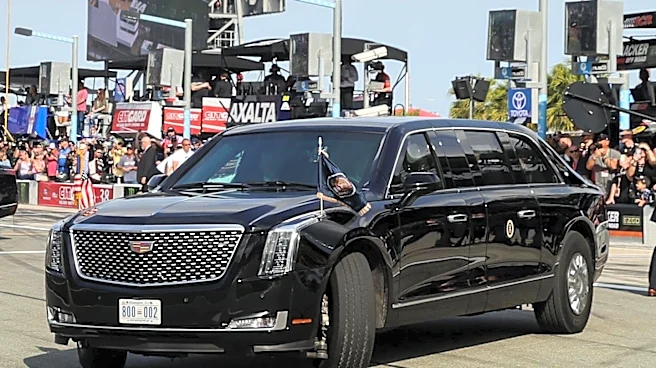
This new mandate significantly altered the agency's focus, leading to the development of specialized protective measures and protocols. Over time, the Secret Service's protective role expanded to include the vice president, former presidents, and major presidential candidates. This expansion reflects the agency's growing importance in ensuring the safety of the nation's leaders.
Expansion of Protective Responsibilities
As the Secret Service's protective role evolved, so did its responsibilities. The agency now provides security for visiting foreign heads of state and government, as well as other distinguished foreign visitors. This aspect of the mission underscores the Secret Service's role in maintaining international relations and ensuring the safety of foreign dignitaries while they are in the United States.
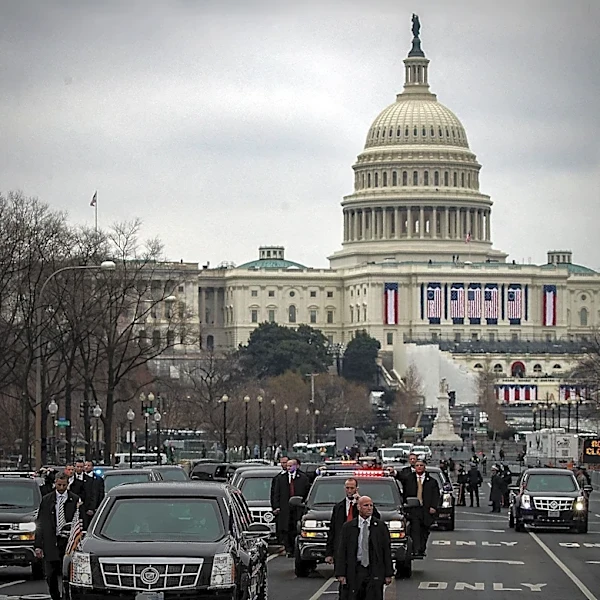
The Secret Service's protective responsibilities also extend to National Special Security Events (NSSE), which require extensive planning and coordination. These events, such as presidential inaugurations and major international summits, highlight the agency's expertise in managing large-scale security operations. The Secret Service's involvement in these events demonstrates its ability to adapt to various security challenges and maintain a high level of protection.
Modern Protective Measures
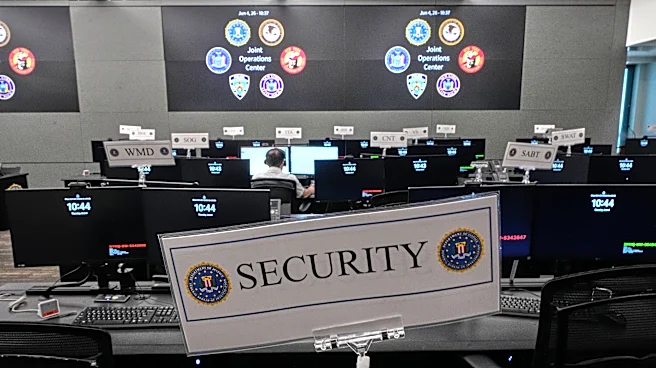
In recent years, the Secret Service has continued to enhance its protective capabilities through the use of advanced technology and intelligence gathering. The agency's Intelligence Division plays a crucial role in identifying potential threats and conducting threat assessments. This proactive approach allows the Secret Service to prevent incidents before they occur, ensuring the safety of its protectees.
The Secret Service's protective role has also been shaped by its partnerships with other law enforcement agencies. These collaborations enhance the agency's ability to gather and analyze information, providing a comprehensive approach to threat assessment and management. Through these efforts, the Secret Service continues to fulfill its protective mission, adapting to new challenges and maintaining public confidence in its capabilities.