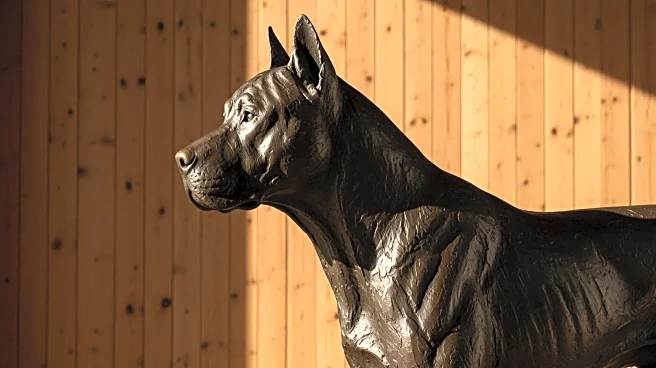




The Belgian Mastiff, also known as the Chien de Trait Belge or Belgian Draught Dog, was a large and powerful breed from Belgium and the Netherlands. Known for its strength and size, this breed was primarily used as a draught dog, pulling carts and delivering goods. Although the breed became extinct in the 20th century, its legacy as a working dog remains noteworthy. This article delves into the history and physical characteristics of the Belgian Mastiff, offering
a glimpse into what made this breed unique.
Historical Background
The Belgian Mastiff's origins are somewhat shrouded in mystery, with little known about its ancestry. It is believed to have descended from French mastiffs that were introduced to the Low Countries. Throughout its existence, the Belgian Mastiff was a common sight in Belgium and the Netherlands, where it was used to pull carts loaded with milk, butter, meats, and vegetables. This role as a draught animal was crucial in the daily lives of many people in the region.
As the 20th century progressed, the need for draught dogs like the Belgian Mastiff diminished. The advent of mechanized transport and the impact of two world wars contributed to the breed's decline. By the second half of the 20th century, the Belgian Mastiff was believed to be extinct. Despite its extinction, the breed was recognized by organizations such as the Société Royale Saint-Hubert and the Fédération Cynologique Internationale, which have maintained its listing in hopes that surviving specimens might be found.
Physical Characteristics
The Belgian Mastiff was a large and muscular dog, standing between 69 and 78 centimeters tall and weighing between 45 and 50 kilograms. Its powerful build was complemented by a large head and thick neck, making it well-suited for its role as a draught dog. The breed's tail was typically docked to prevent damage while pulling carts.
The coat of the Belgian Mastiff was short, smooth, and loose-fitting, with colors ranging from fawn to brindle. A dark mask was a common feature, and some dogs had white markings. These physical traits contributed to the breed's imposing appearance, which was both functional and aesthetically striking.
Temperament and Legacy
In terms of temperament, the Belgian Mastiff was known for its tireless work ethic and strong protective instincts. While it was not particularly friendly to strangers, it was loyal to its master and excelled in its role as a working dog. This dedication to its duties made the Belgian Mastiff a valuable asset to those who relied on it for transportation and delivery tasks.
Although the Belgian Mastiff is no longer with us, its legacy as a hardworking and reliable breed endures. The breed's history serves as a reminder of the important role that dogs have played in human society, particularly in the context of work and transportation. The Belgian Mastiff's story is one of strength, loyalty, and adaptability, qualities that continue to be celebrated in the world of dog breeds.