



'Sorry, Wrong Number' is a film noir classic that has captivated audiences with its suspenseful narrative and innovative cinematic techniques. Directed by Anatole Litvak and based on Lucille Fletcher's radio play, the film employs various elements of film noir to create a tense and engaging experience. This article explores the cinematic techniques used in 'Sorry, Wrong Number' and how they contribute to the film's enduring appeal.
The Use of Film Noir Elements
Film noir is characterized
by its use of shadowy lighting, complex characters, and themes of moral ambiguity. 'Sorry, Wrong Number' employs these elements to great effect, creating a suspenseful atmosphere that keeps viewers on the edge of their seats. The film's use of dark lighting and looming shadows is a hallmark of the noir genre, enhancing the tension and drama of the story.
The film's narrative structure also reflects noir conventions, with its real-time progression interspersed with flashbacks. These flashbacks provide insight into the protagonist, Leona Stevenson, and her troubled past, adding depth to her character. The film's exploration of themes such as betrayal and desperation further aligns it with the noir tradition, making it a quintessential example of the genre.
Innovative Cinematic Techniques
'Sorry, Wrong Number' employs several innovative cinematic techniques to enhance its storytelling. The film's use of a circling camera creates a sense of claustrophobia and urgency, mirroring Leona's growing panic as she realizes the danger she is in. This technique, combined with the film's tight pacing, maintains a high level of suspense throughout.
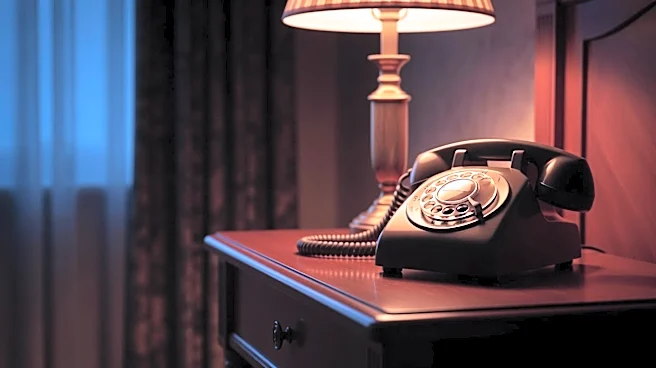
The film's sound design also plays a crucial role in building tension. The use of a telephone as a central plot device allows for creative sound manipulation, with the ringing phone serving as a constant reminder of the impending threat. The film's score, composed by Franz Waxman, further heightens the suspense, using music to underscore the emotional intensity of key scenes.
The Impact of Performance
Barbara Stanwyck's performance as Leona Stevenson is a standout element of 'Sorry, Wrong Number.' Her portrayal of a woman trapped by her own manipulations and fears adds depth to the character, making her plight both compelling and tragic. Stanwyck's ability to convey terror and vulnerability earned her an Academy Award nomination for Best Actress, highlighting the impact of her performance on the film's success.
The film's supporting cast, including Burt Lancaster as Henry Stevenson, also contributes to its effectiveness. Lancaster's portrayal of a man caught in a web of deceit and desperation adds complexity to the narrative, enhancing the film's exploration of moral ambiguity. Together, the performances and cinematic techniques of 'Sorry, Wrong Number' create a gripping and memorable film noir experience.