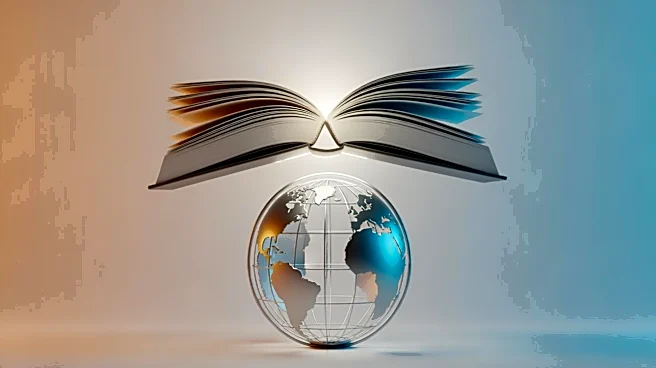





Secondary education serves as a critical bridge between primary education and higher education or the workforce. While the core purpose of secondary education is consistent worldwide, the systems and structures vary significantly across different countries. This article examines the diverse approaches to secondary education globally, highlighting the unique features and challenges faced by various systems.
Diverse Structures and Systems
Secondary education is typically divided into
two phases: lower secondary and upper secondary education. However, the age range and duration of these phases can vary. For instance, in the United States, secondary education spans grades 6 through 12, while in other countries, it may start at a different grade level. The International Standard Classification of Education (ISCED) provides a framework for comparing education systems, categorizing secondary education into levels 2 and 3.
In many countries, secondary education is compulsory, at least until a certain age, ensuring that all children have access to basic education. However, the level of specialization and the subjects offered can differ. Some countries emphasize vocational training, preparing students for specific careers, while others focus on a more academic curriculum aimed at preparing students for higher education.
Challenges and Opportunities
One of the significant challenges facing secondary education systems worldwide is ensuring equal access and quality education for all students. Socioeconomic disparities, geographic location, and cultural factors can impact students' access to education and their ability to succeed. Efforts to address these challenges include implementing policies that promote inclusivity and providing financial assistance to disadvantaged students.
Another challenge is adapting education systems to meet the demands of a rapidly changing world. As technology and globalization reshape the workforce, secondary education must evolve to equip students with the skills needed for the future. This includes integrating information and communications technology into the curriculum and fostering critical thinking, creativity, and problem-solving skills.
Future Directions
Looking ahead, secondary education systems must continue to adapt to the changing needs of society. This includes promoting lifelong learning and providing flexible pathways for students to transition between academic and vocational streams. Ensuring that secondary education is accessible, relevant, and of high quality is essential for preparing students for the challenges and opportunities of the 21st century.
In conclusion, while secondary education systems vary globally, they share a common goal of preparing students for further education and the workforce. By addressing challenges and embracing opportunities for innovation, secondary education can continue to play a vital role in shaping the future of individuals and societies.