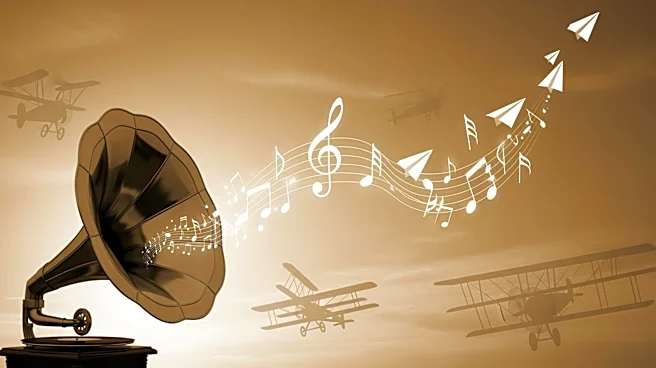






In the early 20th century, the world was captivated by the possibilities of aviation. This fascination was reflected in various cultural forms, including music. "Come Josephine in My Flying Machine," a song composed in 1910, became a symbol of this enthusiasm. Two artists, Ada Jones and Billy Murray, played pivotal roles in popularizing the song and bringing the excitement of aviation to the masses.
Ada Jones: A Pioneering Performer
Ada Jones was a prominent figure in the music industry
during the early 1900s. Known for her distinctive voice and engaging performances, she was instrumental in bringing "Come Josephine in My Flying Machine" to a wider audience. Her rendition of the song captured the imagination of listeners, helping to spread the excitement of aviation.
Jones's ability to connect with audiences was a key factor in the song's success. Her performances were characterized by a sense of joy and wonder, perfectly aligning with the optimistic spirit of the era. Through her interpretation, Jones helped to convey the thrill of flying, making it accessible and appealing to the public.
Billy Murray: The Voice of Popular Music
Billy Murray, another influential artist of the time, also contributed significantly to the song's popularity. Known for his clear and expressive voice, Murray was a leading figure in the recording industry. His version of "Come Josephine in My Flying Machine" resonated with audiences, further cementing the song's place in popular culture.
Murray's recordings were widely distributed, reaching listeners across the country. His ability to capture the excitement and novelty of aviation through music was instrumental in the song's enduring appeal. By bringing the song to a broad audience, Murray played a crucial role in promoting the cultural fascination with flight.
The Impact of Their Performances
The performances of Ada Jones and Billy Murray were more than just musical renditions; they were cultural milestones that reflected the optimism of the time. Through their interpretations, they helped to popularize the idea of aviation as a symbol of progress and adventure.
Their contributions to the song's success highlight the power of music in shaping public perception. By capturing the spirit of the era, Jones and Murray helped to foster a sense of excitement and possibility, encouraging further interest and development in aviation. Today, their performances remain a testament to the role of music in celebrating technological advancements and inspiring future generations.