



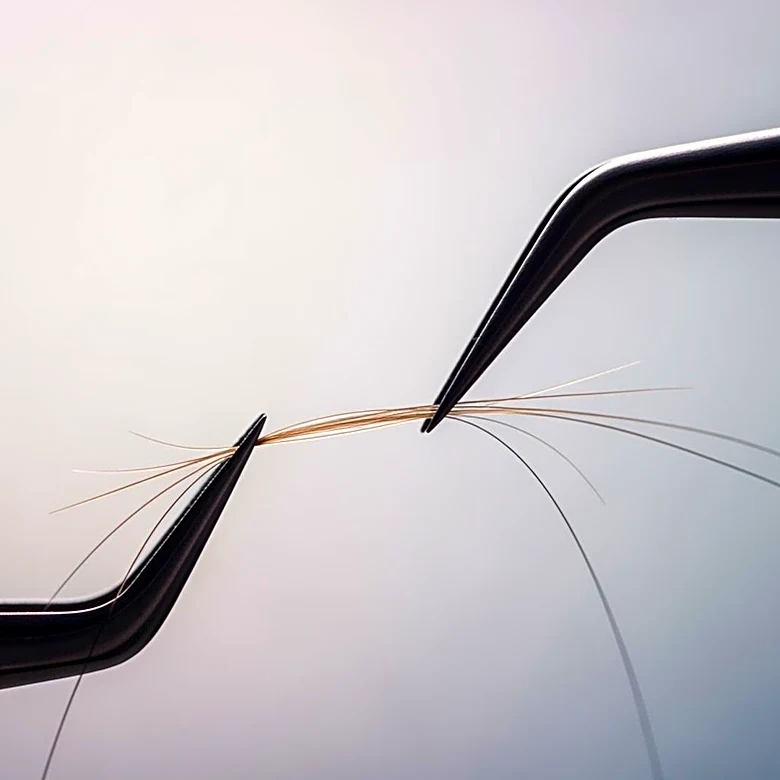




Trichotillomania, also known as hair-pulling disorder, is a mental health condition that involves the compulsive urge to pull out one's own hair. While the exact cause of trichotillomania remains unknown, it is believed to result from a combination of genetic, environmental, and psychological factors. Understanding these potential causes can help inform effective treatment strategies for those affected by the disorder.
Genetic and Environmental Factors
Research suggests that trichotillomania
may have a genetic component, as the disorder often runs in families. Individuals with a family history of trichotillomania or related conditions, such as obsessive-compulsive disorder (OCD), may be at a higher risk of developing the disorder themselves. This genetic predisposition may interact with environmental factors to trigger the onset of trichotillomania.
Environmental factors, such as stress or trauma, can also play a role in the development of trichotillomania. Episodes of hair pulling may be triggered by anxiety or stressful situations, leading individuals to use hair pulling as a coping mechanism. This behavior can become habitual over time, making it difficult to stop without intervention.
Psychological Influences
Psychological factors, such as emotional regulation and impulse control, are also thought to contribute to trichotillomania. Individuals with the disorder may struggle to manage their emotions effectively, leading them to engage in hair-pulling behavior as a way to self-soothe or relieve tension. This can create a cycle of negative emotions and compulsive behavior that is challenging to break.
Neurocognitive models suggest that abnormalities in brain regions involved in habit formation and impulse control may underlie trichotillomania. For example, MRI studies have found differences in brain structure and function in individuals with the disorder, including increased gray matter and decreased cerebellar volume.
Treatment Approaches
Cognitive behavioral therapy (CBT) is the most effective treatment for trichotillomania, with habit reversal training being a key component. This therapy helps individuals recognize their hair-pulling urges and develop alternative behaviors to manage these impulses. CBT has been shown to be more effective than medication alone in reducing symptoms of trichotillomania.
In some cases, medication may be prescribed to help manage symptoms. Clomipramine, a tricyclic antidepressant, has shown some effectiveness in treating trichotillomania, although results can be inconsistent. Other medications, such as selective serotonin reuptake inhibitors (SSRIs), may also be used, but their effectiveness is limited.
By understanding the potential causes of trichotillomania and exploring various treatment options, individuals with the disorder can work towards managing their symptoms and improving their quality of life.