
The Hospital for Special Surgery (HSS) has been a pioneer in orthopedic and rheumatologic care since its founding in 1863. Over the years, the hospital has achieved numerous milestones and introduced groundbreaking
innovations that have shaped its reputation as a leading medical institution. This article explores some of the key innovations and milestones in HSS's history from 1863 to 1899.
Establishing a Legacy of Care
The Hospital for Special Surgery was founded as The Hospital of the New York Society for the Relief of the Ruptured and Crippled, with the mission to provide medical care to injured Civil War soldiers and needy city residents. Dr. James Knight, the hospital's founder, was appointed as the Resident Physician and Surgeon. The hospital initially operated out of Dr. Knight's Manhattan home, offering 28 inpatient beds for children and outpatient services for adults.
From its inception, HSS was committed to providing specialized care to those in need. The hospital treated the poor for free, while others were charged a moderate fee. This philanthropic approach laid the groundwork for HSS's enduring legacy of compassionate care.
Advancements in Medical Training
In 1887, the Hospital for Special Surgery founded the first orthopedic residency program in the United States. This program was a significant milestone in medical education, offering young doctors in training the opportunity to apply for positions as house surgeons, senior assistants, or junior assistants. These trainees became known as residents, a term that is now universally recognized in the United States as a doctor in training.
The establishment of the residency program marked a turning point in the hospital's history, as it set a precedent for medical training in the field of orthopedics. This innovation not only enhanced the hospital's reputation but also contributed to the advancement of orthopedic care nationwide.
Technological Breakthroughs
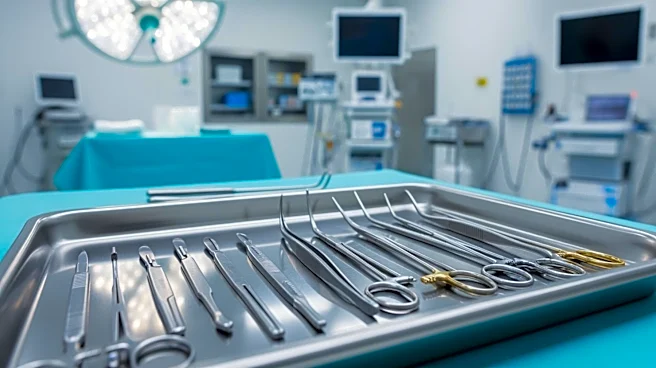
The late 19th century was a period of technological breakthroughs at HSS. In 1898, the hospital opened its first dedicated operating room, significantly enhancing its surgical capabilities. The following year, HSS established a pathology laboratory and installed its first X-ray machine, just four years after Wilhelm Röntgen invented the device.
These technological advancements underscored HSS's commitment to staying at the forefront of medical innovation. By embracing new technologies, the hospital was able to improve patient care and solidify its position as a leader in orthopedic and rheumatologic treatment.
The Hospital for Special Surgery's history is marked by a series of innovations and milestones that have shaped its reputation as a world-class medical institution. From its philanthropic beginnings to its pioneering residency program and technological breakthroughs, HSS has consistently demonstrated its dedication to advancing the field of orthopedics and providing exceptional care to its patients.