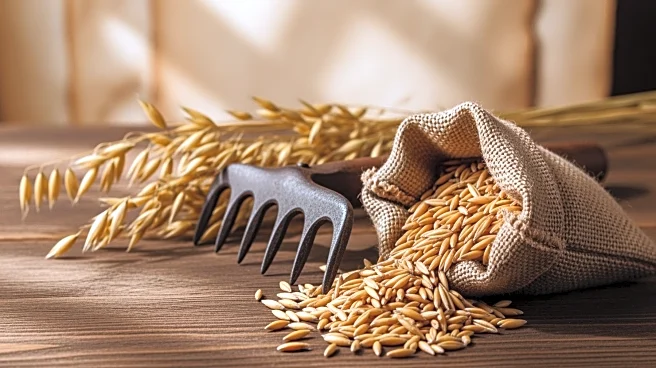

Oats have a rich history that dates back thousands of years, evolving from a secondary crop to a staple in modern diets and agriculture. This article delves into the historical journey of oats, exploring
their origins, domestication, and the various ways they are utilized today.
Origins and Domestication
Oats are believed to have emerged as a secondary crop, initially considered a weed among primary cereal domesticates like wheat. Their grains were hard to distinguish from those of primary crops, allowing them to survive and eventually be cultivated intentionally. Evidence of oat cultivation dates back to the Pre-Pottery Neolithic period, with wild oat grains found in granaries in the Jordan Valley.
Domesticated oats first appeared in Europe around 3000 years ago. The process of domestication involved selecting for traits such as larger seeds and the loss of awns, which facilitated seed dispersal. These changes allowed oats to be planted by humans, marking a significant shift in their cultivation.
Oats in Agriculture
Oats are annual plants best suited for temperate regions, thriving in areas with cool, wet summers. They tolerate a wide variety of soil types, including low-nutrient and acidic soils, making them an important crop in regions like Northwest Europe. Traditionally, oats were grown alongside nitrogen-fixing plants like red clover and alfalfa, providing forage for animals and improving soil health.
Oats are relatively free from diseases compared to other cereals, although they can be affected by leaf diseases such as crown rust. Their ability to outcompete weeds and grow vigorously makes them a valuable crop for farmers seeking sustainable agricultural practices.
Modern Uses and Impact
Today, oats are used in a variety of ways, from human food products to animal feed and brewing. The Quaker Oats Company played a significant role in popularizing oats in the United States, promoting their cholesterol-reducing benefits in the late 1980s. This led to a surge in oat consumption, although newer studies later cast doubt on these claims.
Oats are also used in brewing, particularly in the production of oatmeal stout, a traditional British drink. Their versatility extends to their use as ground cover and green manure, contributing to soil health and sustainability in agriculture.
The historical journey of oats reflects their adaptability and importance in human culture and agriculture. From ancient cultivation to modern applications, oats continue to be a valuable and versatile crop.