


The Second Enforcement Act of 1871, also known as the Civil Rights Act of 1871 or the Second Ku Klux Klan Act, was a pivotal piece of legislation in the United States. Passed during the Reconstruction Era, this act was part of a series of laws aimed at protecting the voting rights of African Americans. It was a direct response to the violent suppression of these rights by groups like the Ku Klux Klan. This article delves into the legislative journey
of the act and its significance in American history.
Legislative Origins
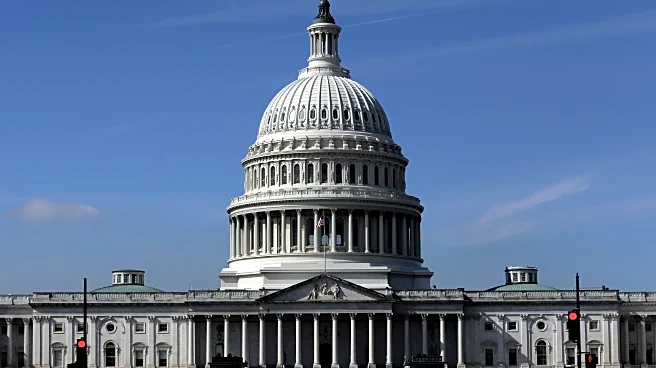
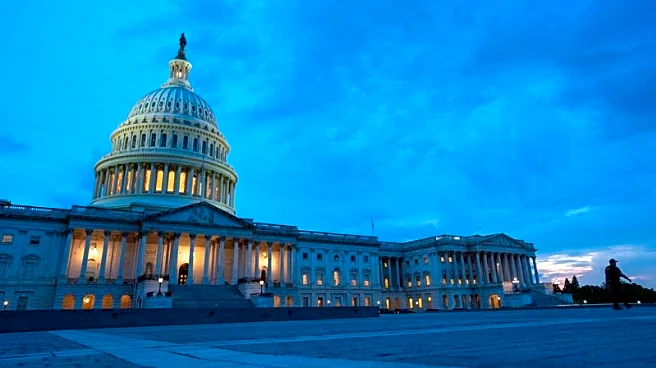
The Second Enforcement Act was introduced by Republican Representative John C. Churchill from New York. The bill, known as H.R. 2634, was part of a broader effort by the United States Congress to address the rampant voter suppression and violence against African Americans in the post-Civil War South. The act was the second of three Enforcement Acts passed between 1870 and 1871, each designed to enforce the rights granted by the Fourteenth and Fifteenth Amendments.
The legislative process for the Second Enforcement Act was marked by significant partisan division. In the House of Representatives, the Republican Party overwhelmingly supported the bill, with 143 votes in favor and only 3 against. In contrast, the Democratic Party unanimously opposed it, with 58 votes against and none in favor. The Conservative Party showed a similar pattern, with 1 vote in favor and 3 against. This division highlighted the contentious nature of civil rights legislation during this period.
Passage and Presidential Approval
After passing the House, the bill moved to the Senate, where it faced a similar partisan split. The Republican majority ensured its passage, with 38 votes in favor and only 1 against. The Democrats, consistent with their stance in the House, voted 0 in favor and 7 against. The bill's passage in both chambers of Congress underscored the determination of the Republican Party to protect African American rights despite fierce opposition.
President Ulysses S. Grant, a staunch supporter of Reconstruction and civil rights, signed the bill into law on February 28, 1871. His approval was a crucial step in the federal government's efforts to combat racial discrimination and violence in the South. The act empowered federal authorities to oversee local and state elections, ensuring that African Americans could exercise their right to vote without fear of intimidation or violence.
Impact and Legacy
The Second Enforcement Act of 1871 played a significant role in the federal government's efforts to protect African American voting rights during the Reconstruction Era. By allowing federal oversight of elections, the act aimed to curb the influence of groups like the Ku Klux Klan, who used terror and violence to suppress black voters.
While the act faced challenges in enforcement, its passage marked a critical moment in the struggle for civil rights in the United States. It laid the groundwork for future legislation and legal actions aimed at securing equal rights for all citizens. The act's legacy is evident in its influence on later civil rights laws, including Section 1983 of the Civil Rights Act, which continues to provide a legal framework for addressing civil rights violations today.