
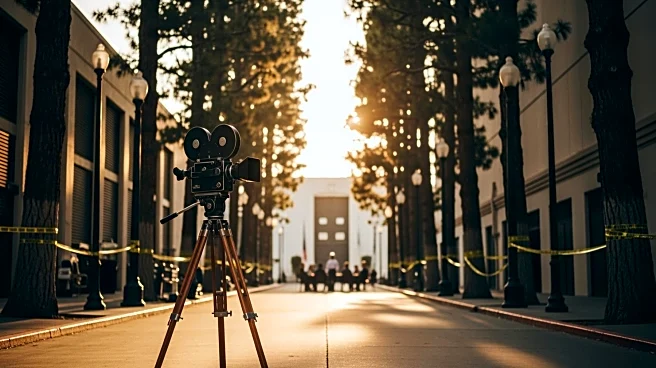


Before becoming the 40th president of the United States, Ronald Reagan had a successful career in Hollywood. His time in the entertainment industry not only shaped his public persona but also influenced his approach to politics. This article explores Reagan's Hollywood career, highlighting key roles and experiences that contributed to his development as a public figure and politician.
Early Acting Career
Ronald Reagan's journey to Hollywood began after he graduated from
Eureka College in 1932. Initially, he worked as a sports broadcaster in Iowa, where his engaging voice and storytelling skills caught the attention of Hollywood scouts. In 1937, Reagan moved to California and signed a contract with Warner Bros., marking the start of his film career.
Reagan's first screen credit was the starring role in the film "Love Is on the Air" (1937). Over the next few years, he appeared in a series of films, quickly becoming a well-known actor. By the end of 1939, Reagan had already appeared in 19 films, establishing himself as a prominent figure in the industry.
Notable Roles and Achievements
One of Reagan's most memorable roles was that of George Gipp in the film "Knute Rockne, All American" (1940). His portrayal of the legendary football player earned him the nickname "The Gipper," which would later become a part of his political identity. Another significant role was in "Kings Row" (1942), where he played Drake McHugh, a performance that many critics consider his best.
During World War II, Reagan's acting career was interrupted as he served in the United States Army Air Forces. He was involved in producing over 400 training films, which honed his skills in communication and public speaking. These experiences would later prove invaluable in his political career.
Transition to Politics
Reagan's Hollywood career laid the groundwork for his transition into politics. His time as president of the Screen Actors Guild (SAG) from 1947 to 1952 and again from 1959 to 1960 provided him with valuable leadership experience. During his tenure, Reagan navigated various labor-management disputes and the Hollywood blacklist, aligning the union with studios against more radical elements.
Reagan's ability to connect with audiences, honed through years of acting, became a hallmark of his political style. His communication skills earned him the nickname "The Great Communicator," and his Hollywood background helped him craft a relatable and charismatic public image. These attributes were instrumental in his successful campaigns for governor of California and later, the presidency.
Ronald Reagan's Hollywood career was more than just a chapter in his life; it was a formative experience that shaped his approach to leadership and public service. The skills and insights he gained in the entertainment industry played a crucial role in his political success, demonstrating the lasting impact of his time in Hollywood.