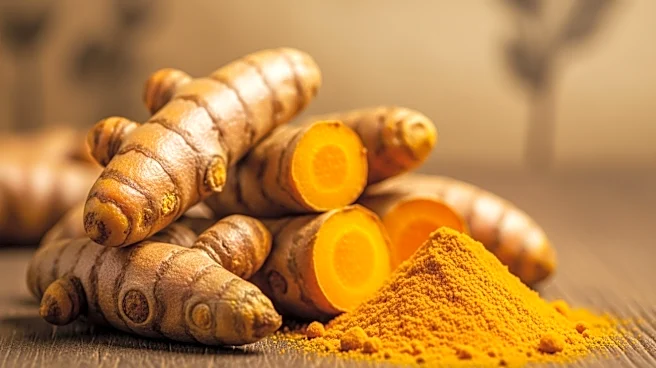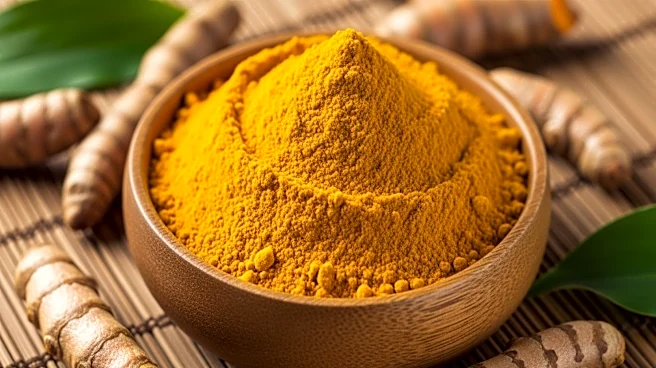





Turmeric, a vibrant yellow spice derived from the rhizomes of the Curcuma longa plant, is a staple in many Asian kitchens. Known for its earthy aroma and slightly bitter flavor, turmeric is a key ingredient in a variety of dishes across the continent. This article delves into the diverse culinary applications of turmeric in Asian cuisines, highlighting its role in both savory and sweet dishes.
Turmeric in Indian Cuisine
In India, turmeric is an essential component of many traditional
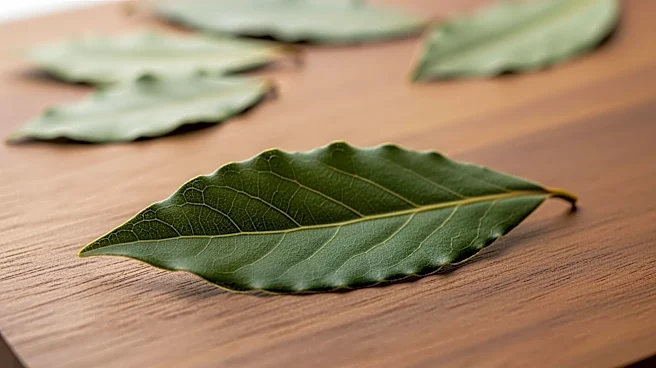
dishes. It is often used in its powdered form to add color and flavor to curries, rice dishes, and lentils. The spice is also integral to the preparation of special sweet dishes like patoleo, where rice flour and a coconut-jaggery mixture are layered on turmeric leaves, then steamed. This method not only imparts a unique flavor but also showcases the versatility of turmeric in Indian cooking.
Beyond its use in everyday meals, turmeric holds cultural significance in India. It is a part of the Haldi ceremony, a pre-wedding ritual where turmeric paste is applied to the bride and groom. This practice underscores the spice's importance beyond the kitchen, highlighting its role in cultural traditions.
Turmeric in Southeast Asian Cuisines
Southeast Asian countries also embrace turmeric in their culinary traditions. In Thailand, fresh turmeric rhizomes are used in southern Thai dishes like yellow curry and turmeric soup. The spice's vibrant color and flavor enhance these dishes, making them visually appealing and delicious.
In Indonesia, turmeric leaves are used in the preparation of Minang or Padang curry bases, such as rendang and sate padang. These dishes are known for their rich flavors and aromatic spices, with turmeric playing a crucial role in achieving the desired taste and color.
Turmeric in Middle Eastern and Other Asian Cuisines
Turmeric's influence extends to Middle Eastern cuisines, where it is a component of spice mixes like ras el hanout in Morocco. In South Africa, turmeric is used to color rice dishes, such as geelrys, traditionally served with bobotie.
In Vietnamese cuisine, turmeric powder is used to enhance the flavors of dishes like bánh xèo and mì Quảng. These dishes benefit from the spice's ability to add depth and color, making them both flavorful and visually striking.
Overall, turmeric's culinary applications across Asia are as diverse as the cultures that use it. From savory curries to sweet treats, this versatile spice continues to be a beloved ingredient in kitchens around the world.