
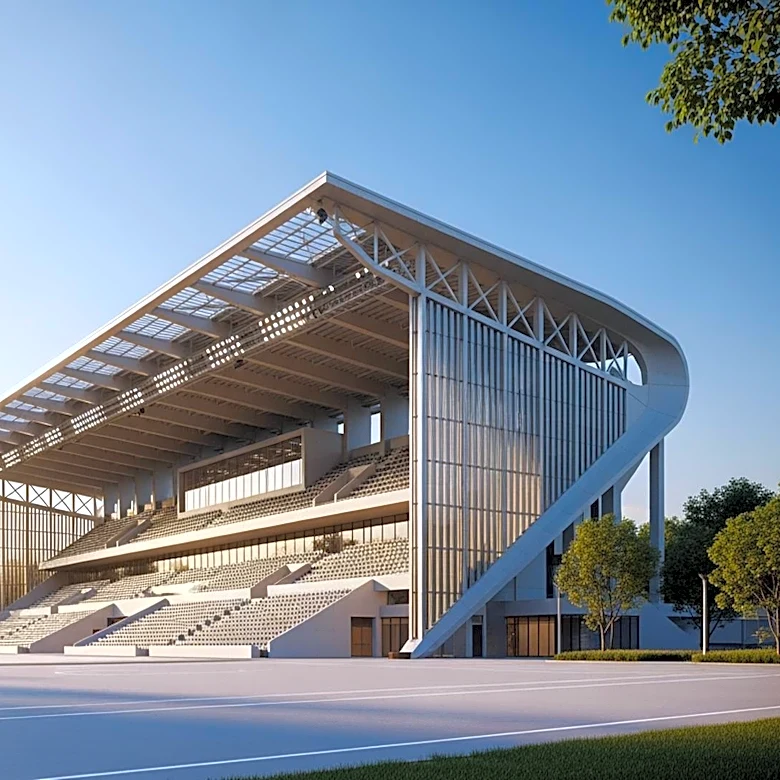
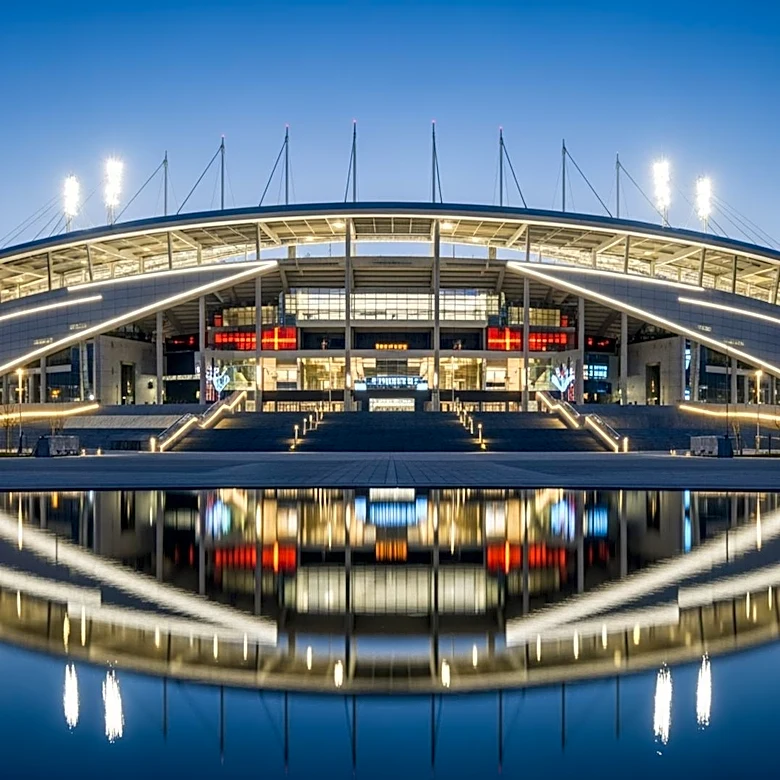
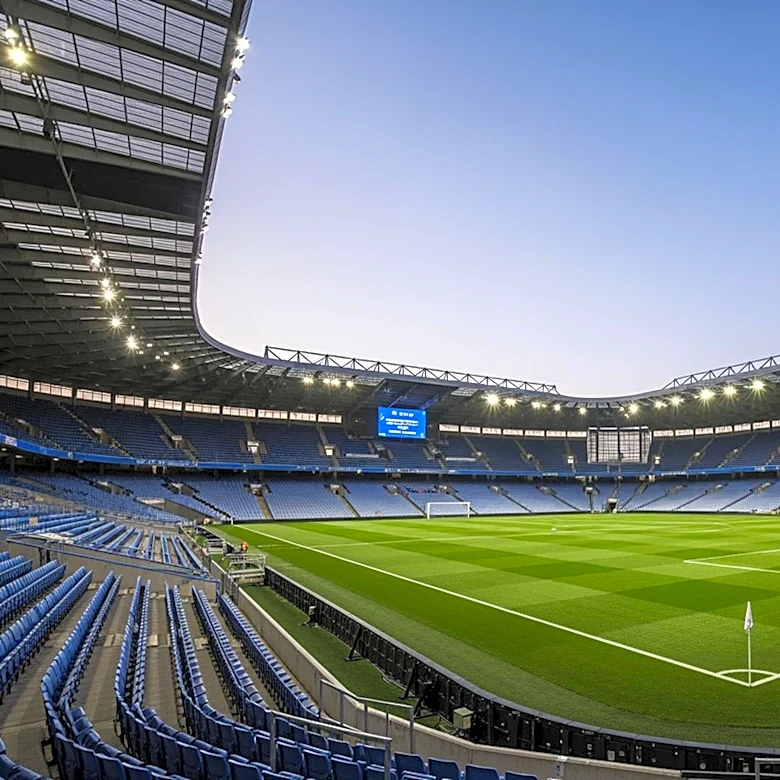


FNB Stadium, also known as Soccer City, played a pivotal role during the 2010 FIFA World Cup held in South Africa. As the largest stadium in Africa, it was the centerpiece of the tournament, hosting several key matches, including the opening and final games. This article delves into the significance of FNB Stadium during the World Cup and its impact on the event.
The Opening Ceremony and Match
The 2010 FIFA World Cup kicked off with a grand opening ceremony at FNB Stadium, setting
the stage for a month-long celebration of football. The opening match between South Africa and Mexico followed, marking a historic moment as South Africa became the first African nation to host the World Cup. The stadium's design, inspired by the African calabash, provided a stunning backdrop for the event, symbolizing the continent's rich cultural heritage.
The opening match was a spectacle, with fans from around the world gathering to witness the historic event. The atmosphere was electric, and the stadium's capacity of 84,490 was filled with enthusiastic supporters. The match ended in a 1-1 draw, but it was a significant moment for South Africa, showcasing its ability to host a world-class sporting event.
Memorable Matches and Moments
FNB Stadium was the venue for several memorable matches during the World Cup. One of the most talked-about games was the quarter-final between Uruguay and Ghana. The match was intense, culminating in a dramatic penalty shootout after a controversial handball by Uruguay's Luis Suárez. This incident denied Ghana a historic semi-final appearance, making it one of the most memorable moments of the tournament.
The stadium also hosted the final match between the Netherlands and Spain. The closing ceremony was a fitting end to the tournament, with Nelson Mandela making his final public appearance. Spain emerged victorious, winning their first World Cup title, and the event was celebrated by fans worldwide.
Legacy of the 2010 FIFA World Cup
The 2010 FIFA World Cup left a lasting legacy for South Africa and FNB Stadium. The event showcased the country's ability to host major international events and boosted its global image. The stadium itself became a symbol of national pride, hosting various sporting and cultural events in the years following the World Cup.
FNB Stadium's role in the World Cup highlighted its importance as a venue for international sports. It continues to be a key location for football and rugby matches, as well as concerts and other events. The 2010 FIFA World Cup was a milestone for South Africa, and FNB Stadium was at the heart of this historic achievement.