
Kitchen scales have become an indispensable tool in the modern kitchen, offering precision and convenience for both amateur cooks and professional chefs. These devices are designed to measure the weight
of food and ingredients, ensuring accuracy in recipes and portion control. As cooking has evolved, so too has the technology behind kitchen scales, making them a staple in culinary practices today.
Precision in Cooking
One of the primary benefits of using a kitchen scale is the precision it offers. Unlike measuring cups and spoons, which can vary in accuracy depending on how ingredients are packed or leveled, a kitchen scale provides an exact measurement of weight. This precision is crucial in baking, where the balance of ingredients can significantly affect the outcome of a recipe. By using a kitchen scale, cooks can ensure that they are using the exact amount of each ingredient, leading to more consistent and successful results.
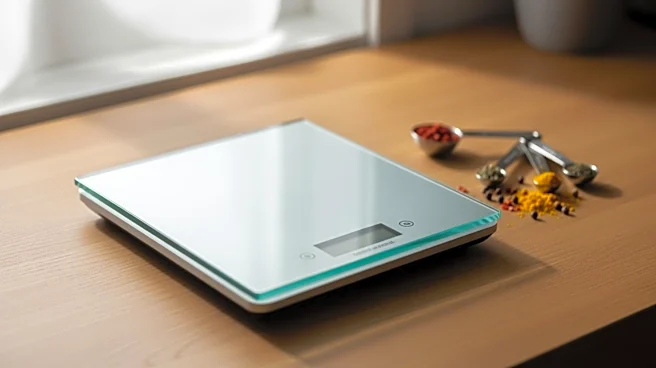
Digital kitchen scales, in particular, have enhanced this precision. These scales are compact and easy to use, often featuring a digital display that provides clear and immediate readings. The ability to measure ingredients to the gram or ounce allows for greater control over recipes, making it easier to replicate dishes with consistency.
Convenience and Versatility
Kitchen scales are not only precise but also incredibly convenient. Many modern scales come with a tare weight feature, which allows users to reset the scale to zero after placing a container on it. This function makes it easy to measure multiple ingredients in the same bowl, reducing the need for additional dishes and simplifying the cooking process.
The versatility of kitchen scales extends beyond baking. They are also useful for portion control, helping individuals manage their dietary intake by accurately measuring food portions. This is particularly beneficial for those following specific dietary plans or managing health conditions such as diabetes or hypertension.
The Evolution of Kitchen Scales
The evolution of kitchen scales reflects broader changes in cooking and technology. Early scales were mechanical, relying on springs and dials to measure weight. Today, digital scales dominate the market, offering features such as smartphone integration and cloud storage for tracking nutritional information.
As technology continues to advance, kitchen scales are likely to become even more integrated into the cooking process. With features that cater to both culinary precision and health management, these devices are set to remain a vital tool in kitchens around the world.
In conclusion, kitchen scales have transformed the way we approach cooking, providing precision, convenience, and versatility. Whether for baking, portion control, or nutritional tracking, these tools are essential for anyone looking to enhance their culinary skills.