



Baby slings are versatile and practical tools for carrying infants, allowing caregivers to keep their hands free while maintaining close contact with their child. These fabric carriers have been used for centuries and come in various forms, each offering unique benefits and features. This article explores the different types of baby slings, highlighting their characteristics and uses.
Ring Slings: A Popular Choice
Ring slings are a popular type of baby carrier that utilizes dynamic
tension and a length of cloth threaded through metal or nylon rings. This design creates a pocket for the baby to sit or lie in, with the fabric wrapping around the wearer's body from shoulder to opposite hip. The rings allow for easy adjustment, making it simple to tighten or loosen the sling as needed.
Ring slings are highly adaptable and can accommodate different wearer sizes and carrying positions. They may be padded or unpadded at the shoulder, with variations in how the rings attach to the cloth, known as "shoulder style." This type of sling is closely related to the Mexican rebozo, with the rings replacing the traditional knot. Ring slings are suitable for carrying infants up to 35 pounds, making them a versatile option for many caregivers.
Pouch Slings: Simple and Convenient
Pouch slings, also known as "tube" or "pocket" slings, are formed by a wide piece of fabric sewn into a tubular shape. These slings do not have rings or other hardware, making them simple and convenient to use. The wearer slips the pouch over the head and one shoulder, creating a pocket to hold the baby.
While pouch slings offer ease of use, they come with certain risks, particularly for newborns and infants under six months. Improper positioning can lead to suffocation, as the baby's chin may collapse against their chest, constricting the airway. To ensure safety, caregivers should keep the baby's face elevated and visible at all times when using a pouch sling.
Wraps: Versatile and Supportive
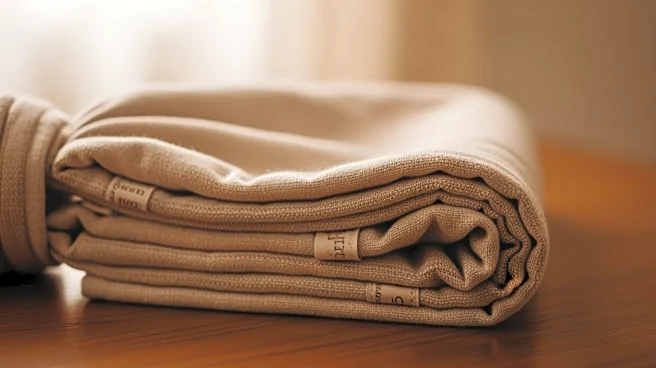
Wraps, or wraparound slings, are long lengths of fabric that can be wrapped around both the baby and the wearer. These carriers offer a high degree of versatility, allowing for various carrying positions on the front, back, or hip. Wraps can be made from stretchy or woven materials, each offering different levels of support and comfort.
Stretchy wraps are typically made from knits like jersey, providing flexibility and ease of use. Woven wraps, on the other hand, are made from natural fibers such as cotton, hemp, or linen, offering more support for heavier babies. The choice between stretchy and woven wraps depends on the caregiver's preferences and the baby's needs.
In conclusion, baby slings come in a variety of styles, each with its unique features and benefits. Whether opting for a ring sling, pouch sling, or wrap, caregivers can find a solution that suits their lifestyle and provides comfort and security for their child.