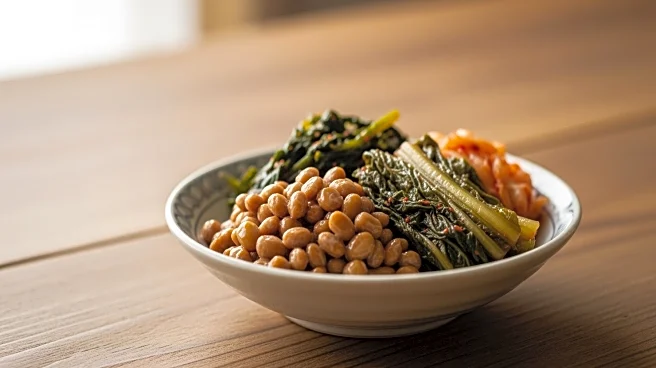

Fermented foods have long been celebrated for their health benefits, particularly in providing essential nutrients like Vitamin K2. This vitamin is crucial for bone and cardiovascular health, and fermented
foods are among the richest sources of its long-chain variants. This article explores the role of fermented foods in Vitamin K2 intake and their contribution to a healthy diet.
Nattō: A Powerhouse of Vitamin K2
Nattō, a traditional Japanese food made from fermented soybeans, is one of the most potent sources of Vitamin K2. It contains an impressive 1103 micrograms of Vitamin K2 per 100 grams, with 90% of this being the MK-7 variant. The fermentation process, involving the nattō strain of Bacillus subtilis, enhances the Vitamin K2 content, making nattō a valuable addition to the diet.
The MK-7 variant found in nattō is particularly beneficial for extrahepatic tissues, as it circulates in the body for extended periods, providing higher bioavailability compared to other forms. This makes nattō not only a rich source of Vitamin K2 but also a food that supports long-term health benefits.
Cheese: A Tasty Source of Vitamin K2
Cheese, especially those consumed in Western diets, is another significant source of Vitamin K2. The fermentation process involved in cheese production increases the Vitamin K2 content, with hard cheeses containing 8 to 10 micrograms per 100 grams and soft cheeses providing around 3.6 micrograms.
Cheeses are rich in long-chain variants such as MK-9, MK-10, and MK-11, which contribute to their health benefits. These variants are more bioavailable, circulating in the body for longer periods and supporting bone and cardiovascular health. Incorporating a variety of cheeses into the diet can help boost Vitamin K2 intake while enjoying their delicious flavors.
The Health Benefits of Fermented Foods
Fermented foods offer numerous health benefits beyond their Vitamin K2 content. They are rich in probiotics, which support gut health and improve digestion. The fermentation process also enhances the bioavailability of nutrients, making them more accessible to the body.
By including fermented foods like nattō and cheese in the diet, individuals can enjoy the combined benefits of Vitamin K2 and probiotics, supporting overall health and well-being. These foods are not only nutritious but also versatile, allowing for creative culinary exploration.
In summary, fermented foods play a vital role in providing Vitamin K2, particularly its long-chain variants. Their health benefits extend beyond Vitamin K2, offering probiotics and enhanced nutrient bioavailability. Embracing fermented foods in the diet can lead to improved health and a more balanced nutritional intake.