



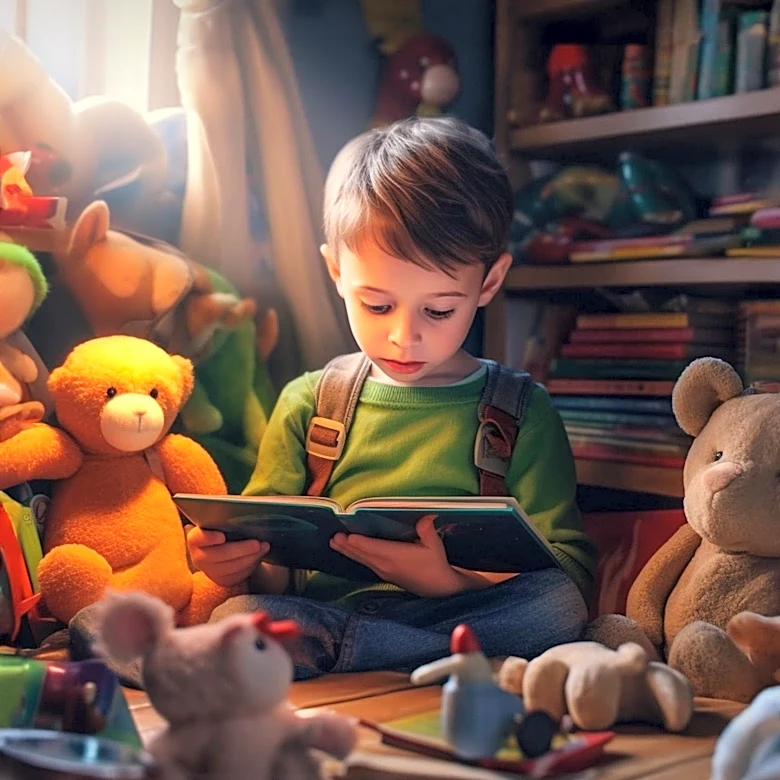




Toddlers, typically defined as children between the ages of 1 and 3, undergo significant developmental changes. This period is marked by rapid growth in physical, cognitive, and social abilities. Understanding these milestones can help parents and caregivers support their child's development effectively. From learning to walk to expanding their vocabulary, toddlers are constantly exploring and interacting with their environment.
Physical Development
During the toddler
years, children experience remarkable physical growth. By the age of one, toddlers often triple their birth weight and grow to a height 50% greater than their birth length. They develop motor skills that allow them to pull to stand, walk with help or independently, and sit down without assistance. Toddlers also begin to refine their fine motor skills, such as the ability to bang two blocks together and turn pages of a book. These physical milestones are crucial as they lay the foundation for more complex movements and coordination.
As toddlers grow, their gross motor skills become more sophisticated. By 18 months, many can walk sideways and backwards, run well, and climb stairs or furniture. They also start to scribble vigorously and drink from a cup with minimal spills. These developments are essential for their independence and ability to explore their surroundings.
Cognitive and Language Development
Cognitive development during toddlerhood is characterized by rapid vocabulary expansion and the ability to understand and follow simple commands. By the age of two, toddlers typically have a vocabulary of about 350 words and can form simple sentences. They begin to understand object permanence, realizing that objects continue to exist even when not visible. This cognitive growth is supported by their increasing ability to connect names with objects and imitate sounds.
Language development is a significant milestone for toddlers. Around 21 months, they start using two-word phrases, such as "I go" or "mama give." This period is marked by a surge in language acquisition, with toddlers learning up to 9 new words a day. Their ability to communicate effectively with caregivers and peers is crucial for social interaction and emotional expression.
Social and Emotional Development
Social development in toddlers involves learning to interact with others, take turns, and engage in fantasy play. They begin to show increased independence and may develop attachments to toys or objects. Separation anxiety is common, as toddlers are still learning to cope with being away from their caregivers. This stage is often referred to as "the terrible twos" due to the temper tantrums that can occur as toddlers test boundaries and assert their autonomy.
Emotional development is closely tied to self-awareness. Around 18 months, toddlers start to recognize themselves as separate individuals, which can lead to feelings of pride and embarrassment. Parents can support this development by encouraging positive interactions and providing a safe environment for exploration.