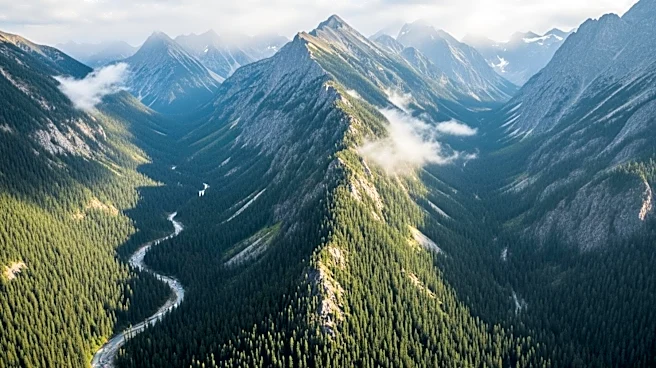





North Cascades National Park, located in the U.S. state of Washington, is a stunning example of natural beauty and geographical diversity. Established in 1968, the park covers an impressive 634,000 acres of the Cascade Range, specifically the North Cascades. This article delves into the park's unique geographical features, including its rivers, mountain peaks, and glacial systems, which make it a remarkable destination for nature enthusiasts.
The River Systems
One of
the defining geographical features of North Cascades National Park is its intricate river systems. The park is split in half by the Skagit River, which flows south and then southwest through the park. This river is a vital watercourse, providing a natural division within the park's landscape. Additionally, the Baker River, another primary watercourse, flows into the Skagit, further enhancing the park's complex hydrology.
In the southeast, the Stehekin River flows into Lake Chelan, adding to the park's diverse aquatic systems. These rivers not only shape the park's geography but also support a wide range of ecosystems and wildlife. The presence of these waterways contributes to the park's lush vegetation and supports its reputation for having the highest degree of flora biodiversity among U.S. national parks.
Rugged Mountain Peaks
The North Cascades Range, characterized by its rugged mountain peaks, is a prominent feature of the park. These peaks are part of the most expansive glacial system in the mainland United States, offering breathtaking views and challenging terrains for hikers and climbers. The dramatic topography of the North Cascades is a result of geological processes that have shaped the landscape over millions of years.
The park's mountains are not only visually striking but also play a crucial role in the region's climate and ecology. The elevation and ruggedness of the peaks influence weather patterns, leading to significant precipitation and snowfall, particularly on the western slopes. This precipitation supports the park's diverse ecosystems and contributes to the formation of its numerous glaciers.
Glacial Systems and Biodiversity
North Cascades National Park is home to the most expansive glacial system in the contiguous United States. These glaciers are a testament to the park's dynamic geological history and continue to shape its landscape. The presence of glaciers contributes to the park's unique biodiversity, as they create habitats for various plant and animal species.
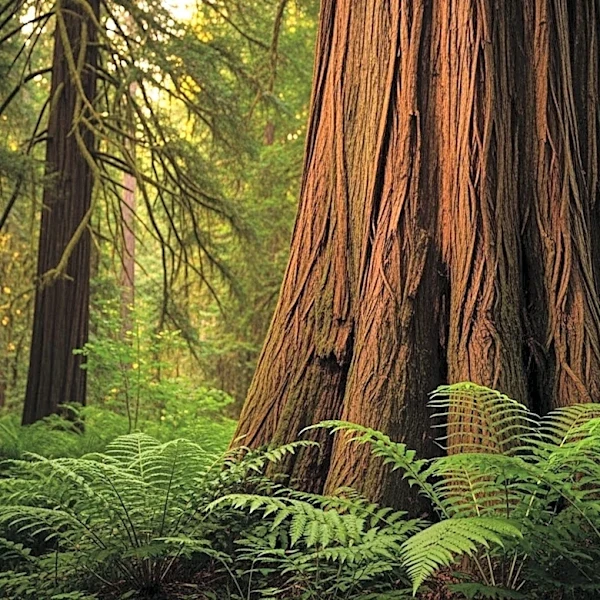
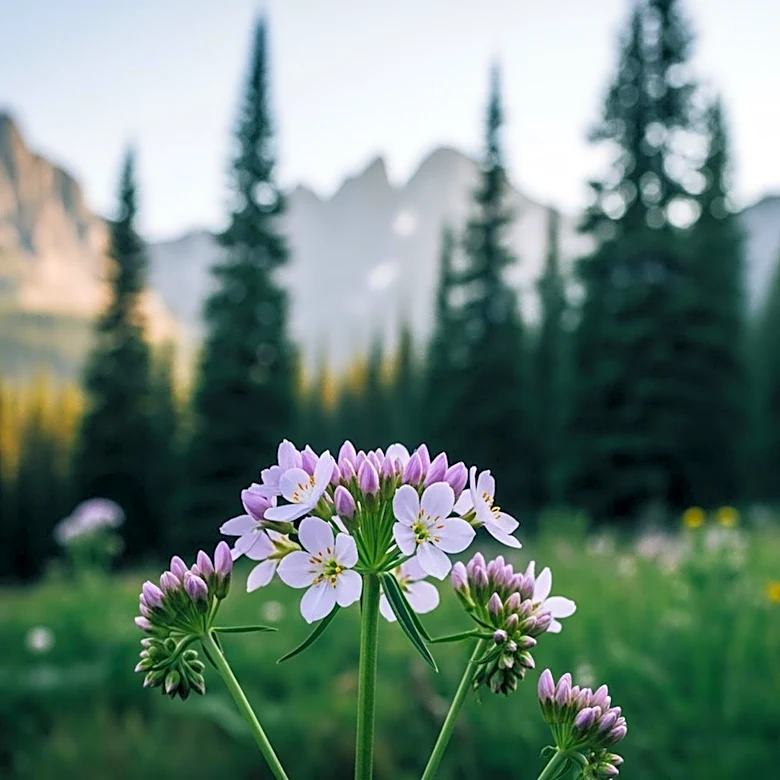
The park's vast forests, nourished by glacial meltwater, are home to an incredible variety of flora. This biodiversity is unmatched by any other U.S. national park, making North Cascades a vital area for conservation and ecological study. The interplay between the park's geographical features and its ecosystems highlights the importance of preserving this natural wonder for future generations.