






The Basilica of the National Shrine of the Immaculate Conception in Washington, D.C., stands as a testament to architectural grandeur and religious devotion. As the largest Catholic church building in North America, its design reflects a blend of Neo-Byzantine and Romanesque Revival styles, making it a unique and awe-inspiring structure. This article delves into the architectural features that define this basilica, highlighting its significance in the realm
of religious architecture.
Neo-Byzantine and Romanesque Revival Styles
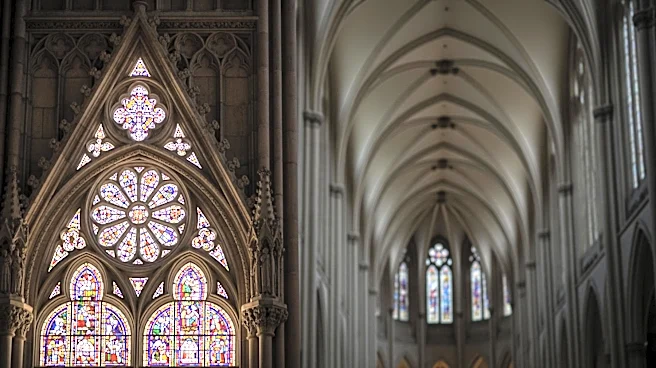
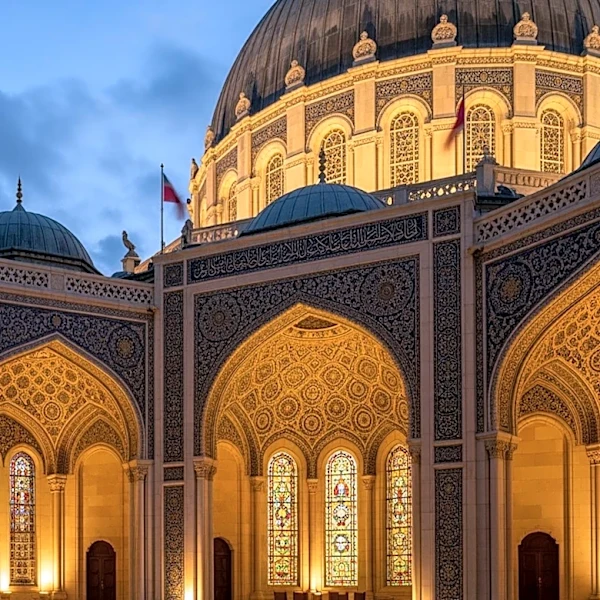
The Basilica of the National Shrine of the Immaculate Conception is a masterpiece of Neo-Byzantine and Romanesque Revival architecture. These styles are characterized by their grand domes, intricate mosaics, and robust masonry. The basilica's design draws inspiration from the Basilica of St. Mark in Venice, Italy, but on a much larger scale. The interior is adorned with numerous domes, each decorated with mosaics that feature American renditions of traditional Catholic images. This fusion of styles creates a visually stunning environment that captures the essence of both Byzantine and Romanesque traditions.
The exterior of the basilica is equally impressive, with its length of 459 feet and width of 240 feet. The main dome, known as the Trinity Dome, is covered in 47,000 gloss Ludowici shingle tiles arranged to form biblical patterns. These tiles are not only decorative but also symbolic, with colors representing various religious themes. The blue tiles symbolize the Virgin Mary, while the red tiles represent Christ's blood. This attention to detail in both design and symbolism underscores the basilica's architectural significance.
Interior Design and Sacred Spaces
Inside the basilica, visitors are greeted by a vast array of sacred spaces, including 82 Marian chapels and other sacred images. These chapels are designed to reflect the origins of Catholic Americans and the religious orders that contributed to their construction. The Great Upper Church and the Crypt Church are flanked by these chapels, creating a sense of reverence and spiritual connection.
The interior is further enhanced by the use of iridescent Pewabic Pottery tiles and large ceramic medallions set in the ceiling. The fourteen Stations of the Cross in the Crypt Church add to the spiritual ambiance, inviting visitors to reflect on the journey of Christ. The basilica's design incorporates modern amenities, such as air conditioning and a basement cafeteria, ensuring comfort for its visitors while maintaining its sacred atmosphere.
Symbolism and Cultural Impact
The Basilica of the National Shrine of the Immaculate Conception serves as the patronal church of the Catholic Church in the United States, dedicated to the Immaculate Conception, the country's principal patroness. This dedication is reflected in the basilica's design and its role as a national shrine. The basilica has hosted numerous significant events, including visits from popes and the canonization of saints, further cementing its cultural and religious importance.
The architectural design of the basilica not only serves as a place of worship but also as a symbol of unity and faith for Catholics across the United States. Its grandeur and beauty inspire awe and reverence, making it a must-visit destination for those interested in religious architecture and history.